Best Board Games for Kids Who Hate Losing (and How to Help Them)
If you’ve ever had a child burst into tears after losing a game of Candy Land or storm off halfway through Monopoly, you’re not alone. Losing is tough, especially for kids. Often times, it’s less about being a sore loser, and it more about playing the wrong kind of game.
When kids face pile-ons in UNO or get sent back to the start in Sorry! Over and over, it can feel discouraging and often aggravating. The right games create safe, low-stakes ways to practice losing without testing your patience. Quick, competitive rounds let kids try again right away, while cooperative games remove the me-vs-you pressure and teach how to handle setbacks together.
Both styles have their place, which is why this list includes a mix of competitive and cooperative games — all chosen to keep the fun high and the frustration low.
Here are my top recommendations for board games that help kids learn how to lose gracefully.
Short Games to Build Losing Tolerance
Playing super short games is one of the best ways that you can build up a tolerance to losing. They are easy to play back to back and thus the result carries less weight. These games allow players to build resilience quicker without emotionally investing into a longer game.
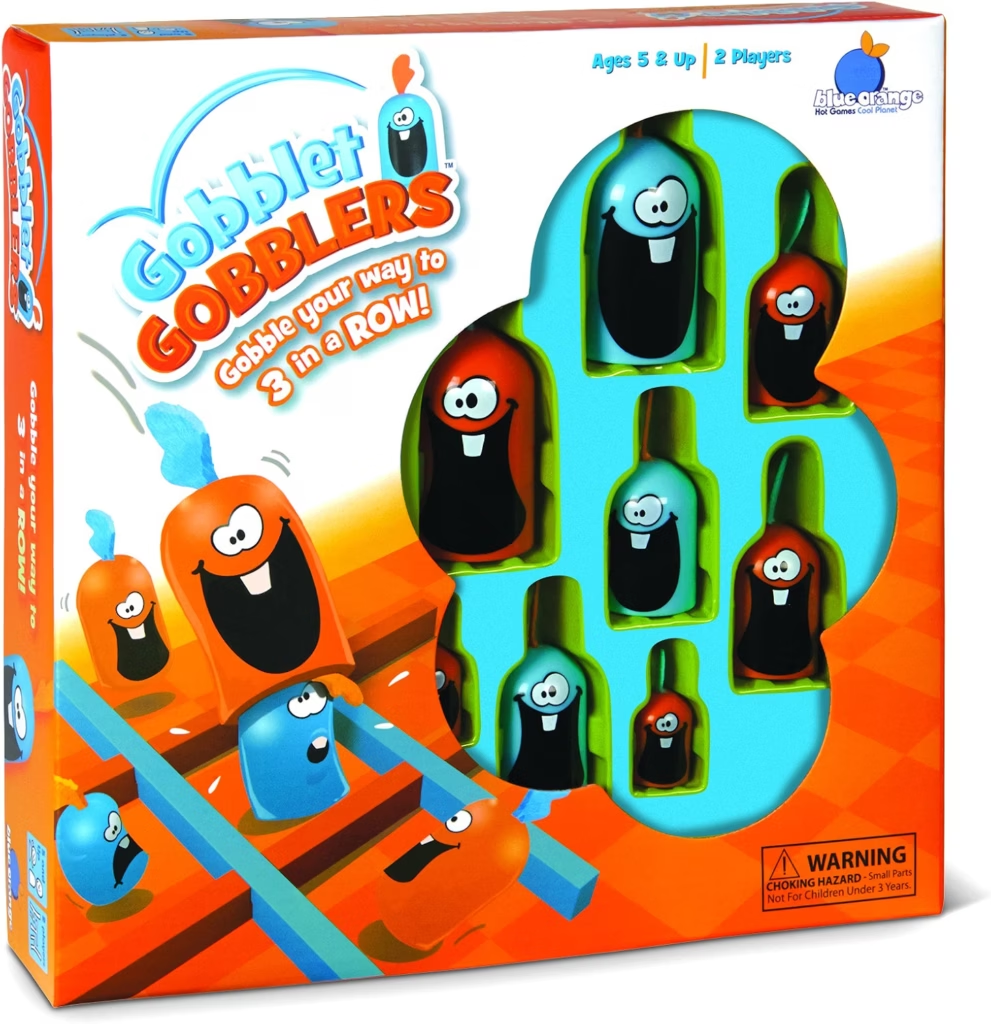
Gobblet Gobblers
This game plays like a more advanced version of Tic-tac-toe taking just a few minutes. Good for practicing losing, winning, and trying again.
There’s also a wooden version with more challenging gameplay for older players. We love this version as well!
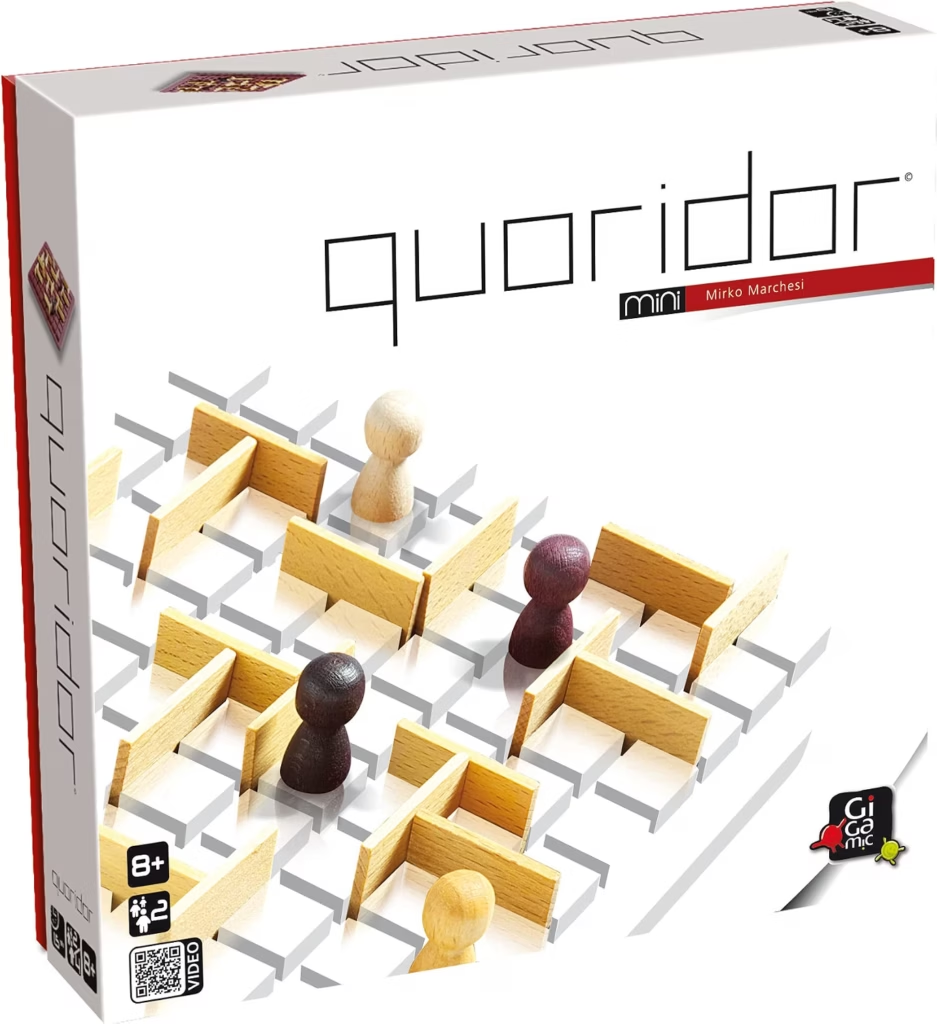
Quoridor
A quick and clever game. Simple rules and quality wooden pieces make this a timeless classic. A Mensa select winner, it mixes simple game play with strategic planning all in a quick experience designed to make you want to try again.
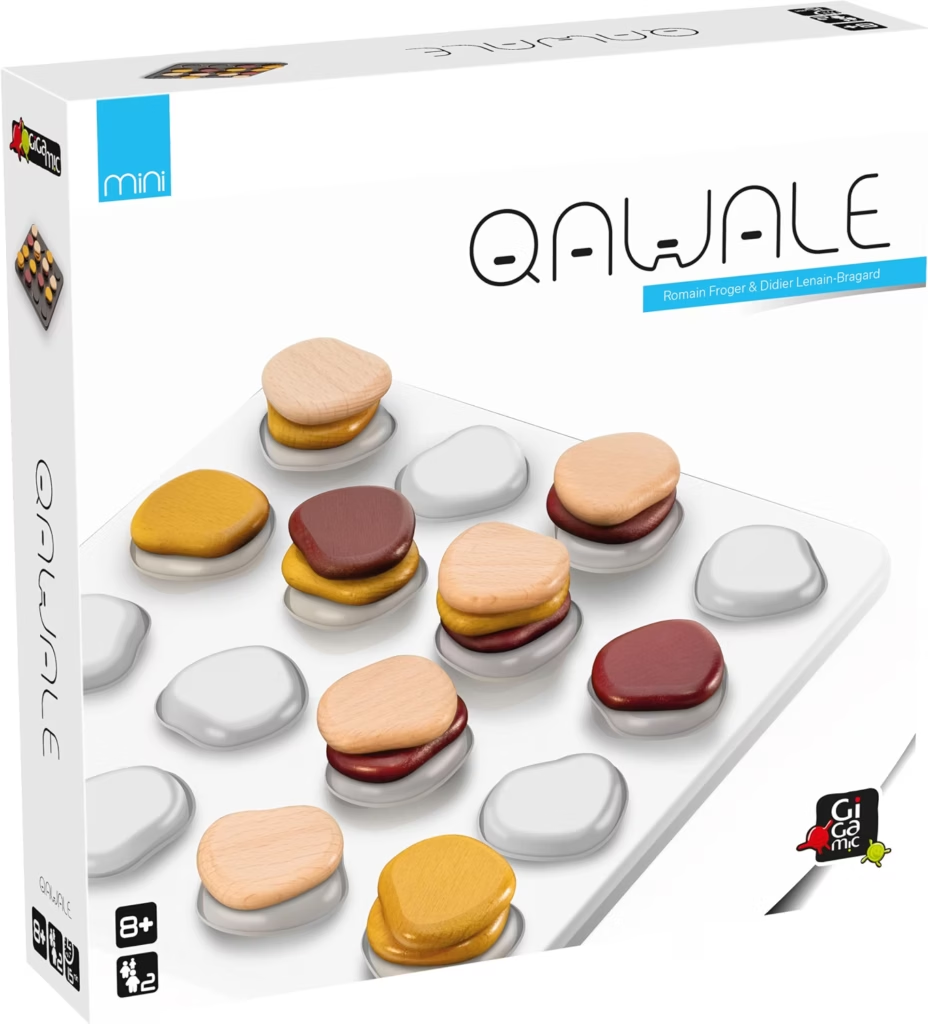
Qawale
This wooden game blends tic tac toe with mancala mechanics. It’s beautiful and endlessly replayable. Games are short and sweet, perfect for playing multiple times in a row.
Both Qwixo and Qawale are part of a wooden game series. The entire collection is filled with short, thoughtful games you want to play again and again.
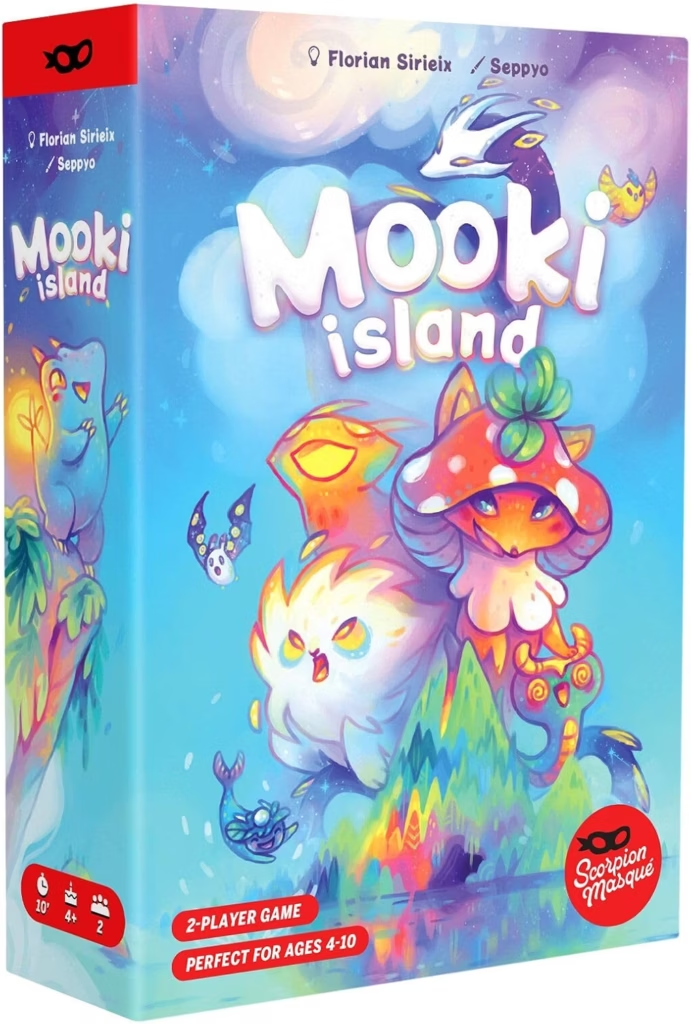
Mooki Island
Short game, simple decisions, and brilliantly fun for kids and adults alike. Players try to collect cards in multiple sets so that they have the majority in each at the end. The cards have adorable creatures on them that kids love. Games take just a few minutes to play.
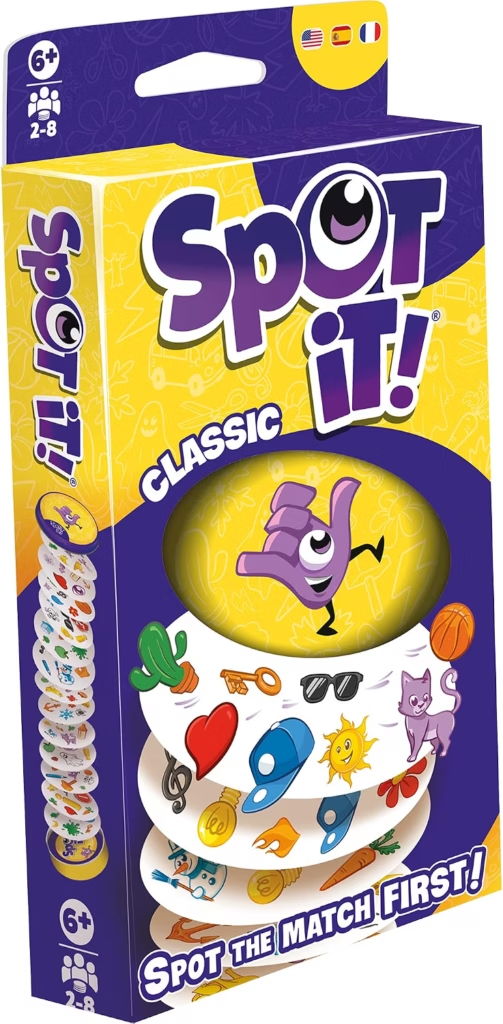
Spot It
This classic is always a great choice and a favorite for developing losing tolerance. There are multiple ways to play so you can have both variety and choice in which style works best for your child.
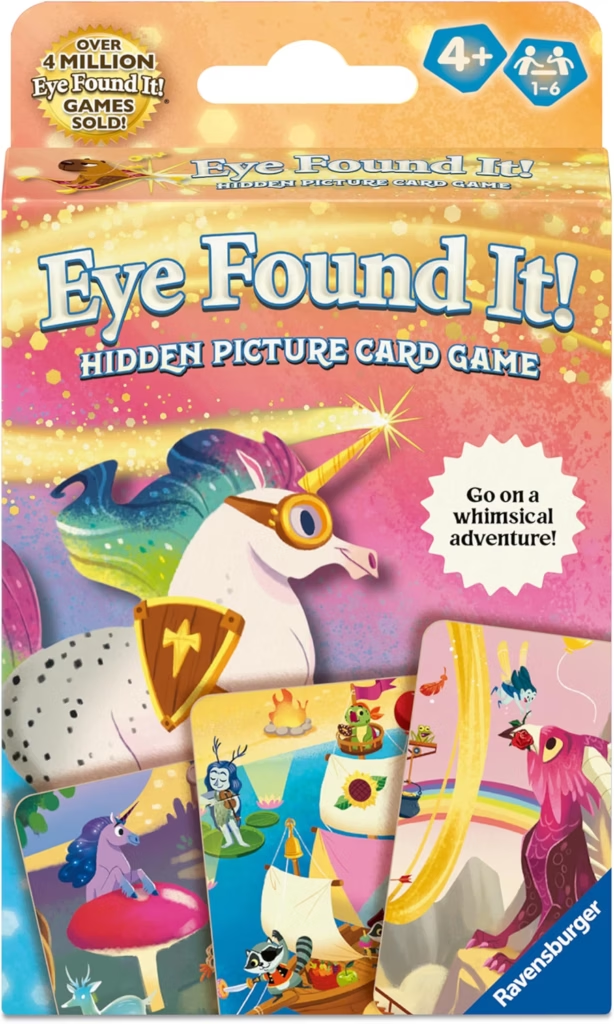
Eye Found It
The card game Eye Found It is a very fun visual seek and find game. It is perfect for this because each round only takes a minute or two. There’s barely time to get invested in winning before it’s over, and it’s incredibly easy to immediately say, “Again!”
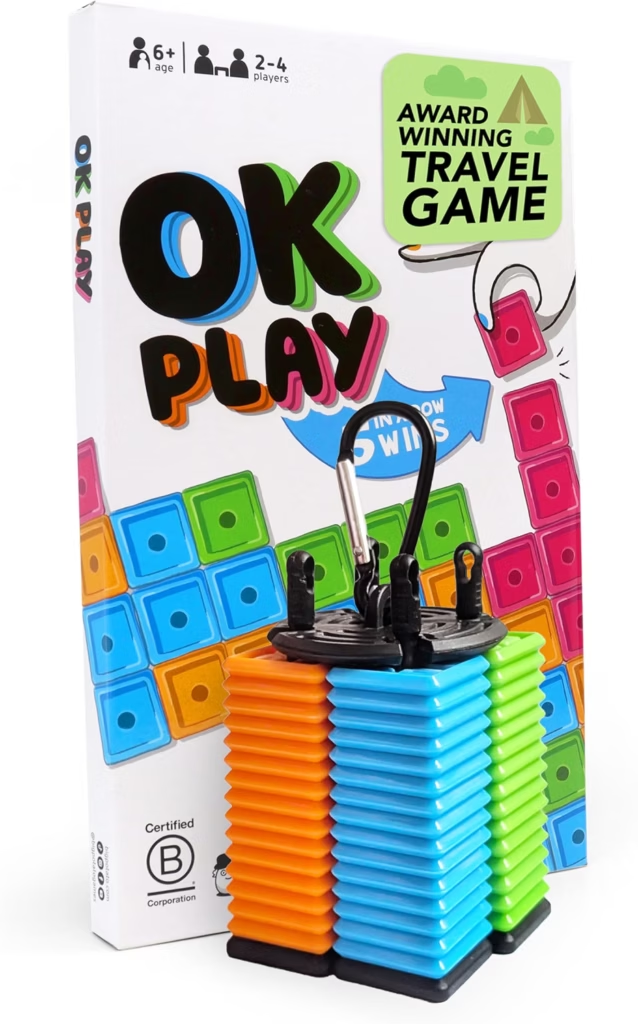
Ok Play
Okay Play (Cinco Linko) works well because rounds are quick, but there’s still plenty of strategy and competition. A loss doesn’t carry much weight when you can reset in seconds and immediately try a different approach.
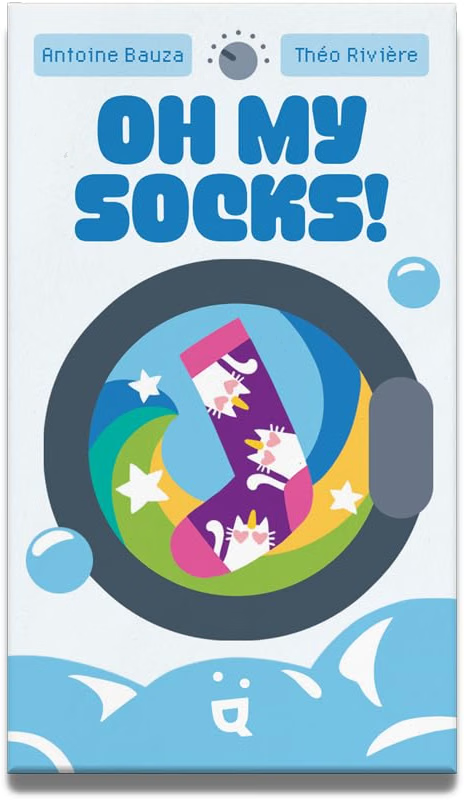
Oh My Socks
Oh My Socks is great because rounds are fast, silly, and unpredictable. There’s enough strategy to feel invested, but enough luck that losing doesn’t feel like a reflection of how “good” you are at the game.
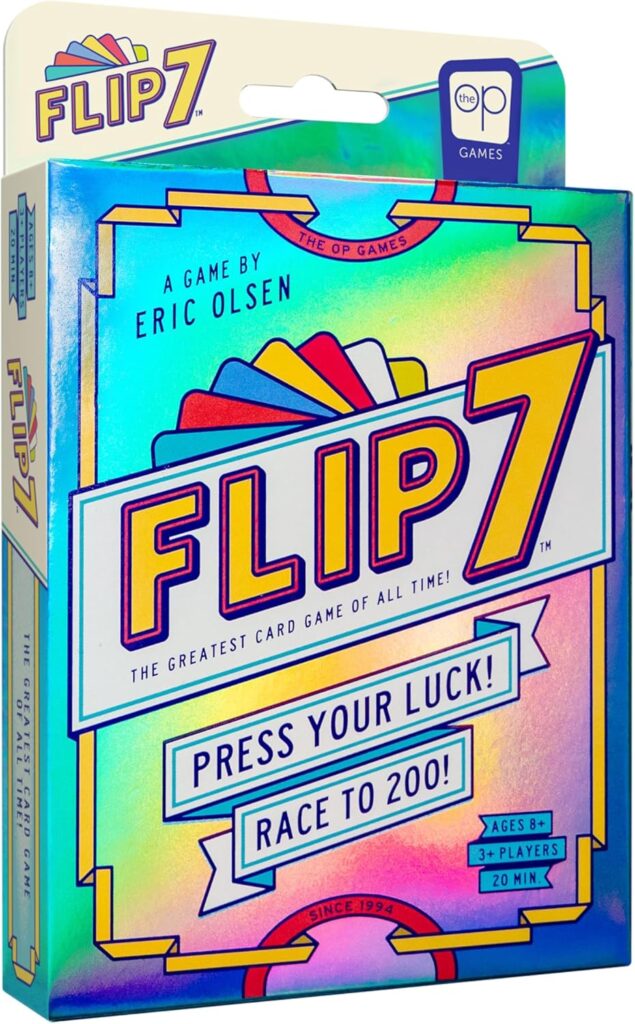
Flip 7
Rounds move quickly and luck plays a big role, so losing rarely feels too personal. Busting is simply part of the game, giving kids lots of low-stakes chances to shrug it off and jump into the next round.
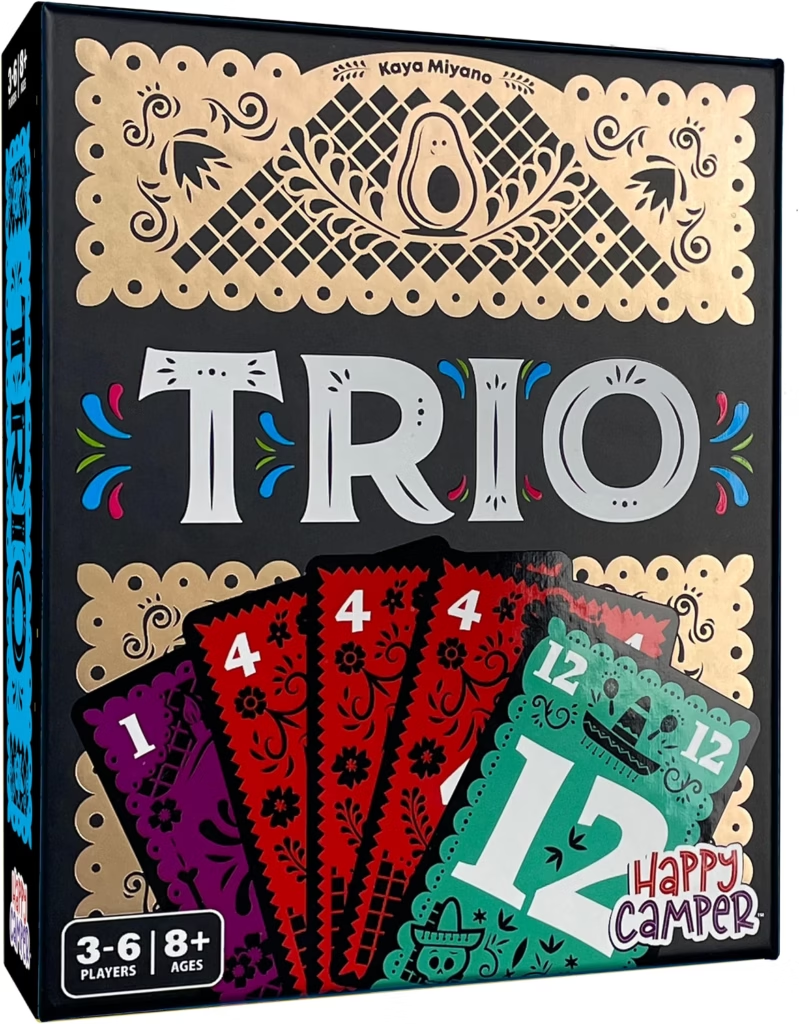
Trio
Trio is a short game with a clever mix of memory and deduction where you’re trying to uncover three matching number cards from either the face-down cards on the table or by asking for the highest or lowest card in someone’s hand. Turns are quick and a little luck is always involved, making it easy to shake off a miss and try again.
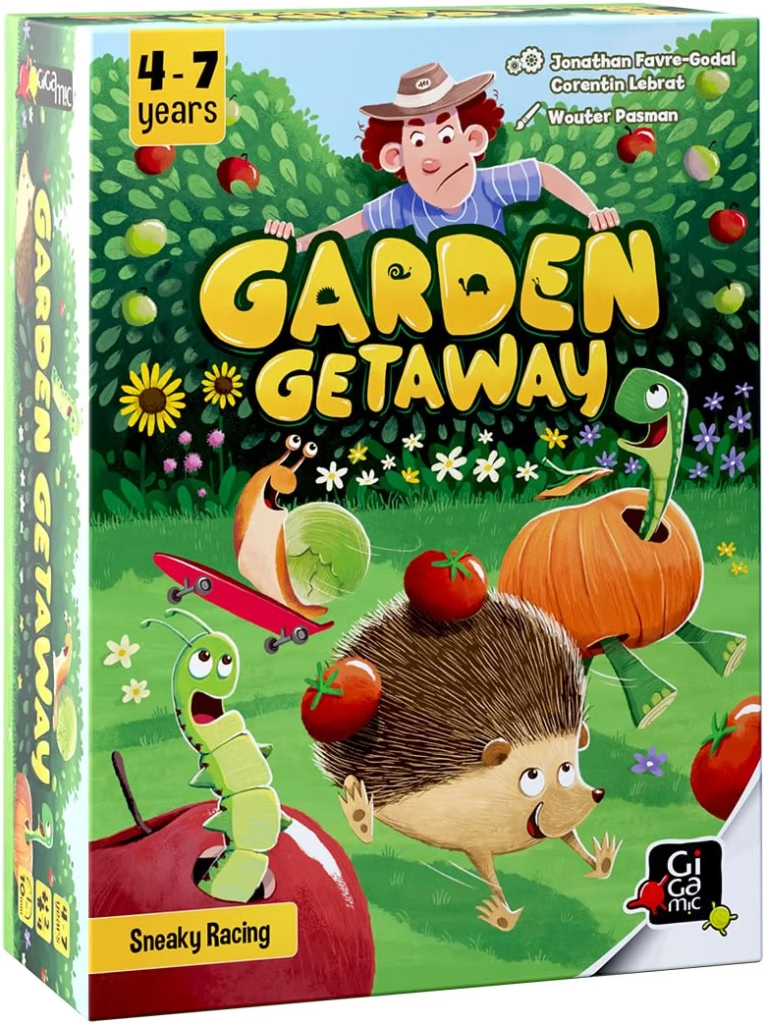
Garden Getaway
Garden Getaway is a quick animal racing game where you roll two dice and choose which result to use—but you might end up moving an opponent’s animal instead of your own. The mix of choices and luck keeps the outcome uncertain, and at only about 5–10 minutes, losing is easy to follow with another race.
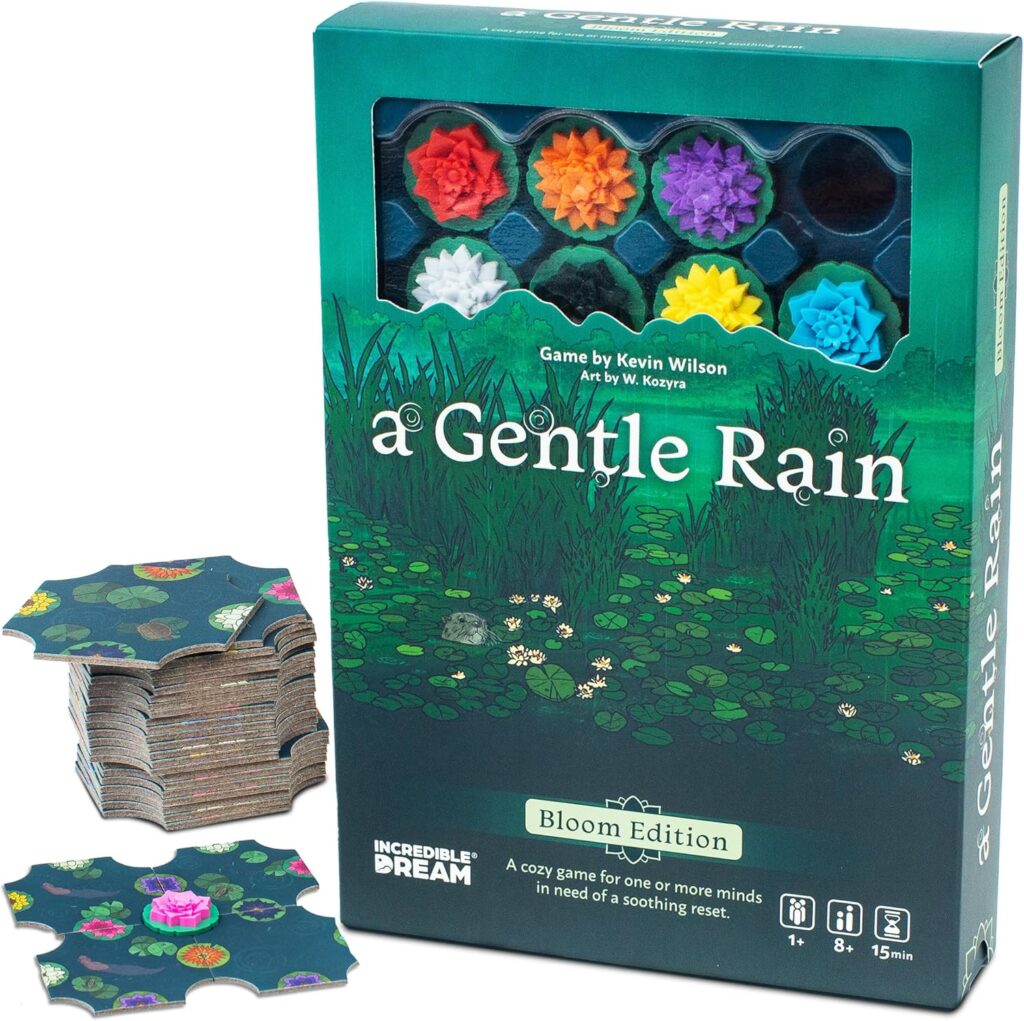
A Gentle Rain
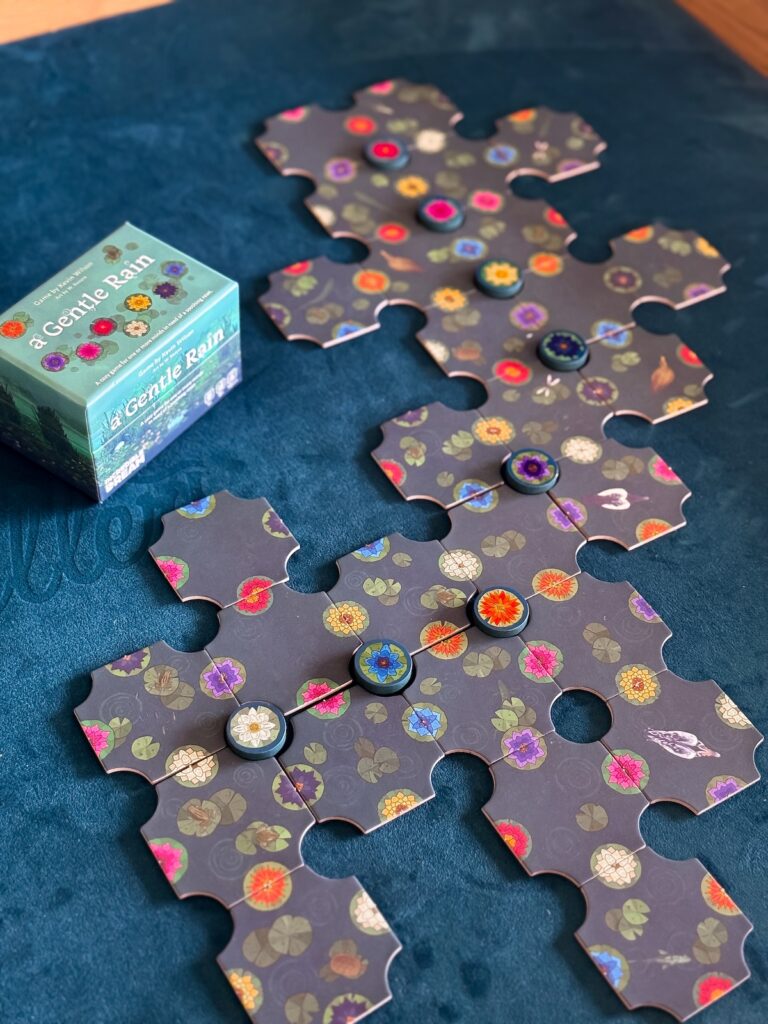
A Gentle Rain is a peaceful solo game where you place tiles to complete flowers before your stack runs out. You won’t succeed every time and that’s part of its charm. With a “personal best” scoring system it encourages you to focus less on winning and more on doing better than the time before.
Trash (Card Game)
Trash (or Garbage) is a simple playing-card game where you race to fill your numbered spots from Ace–10, with each round winner starting the next round with one fewer card. It’s mostly luck, which makes losses feel less personal, and the repeated rounds give kids lots of chances to win, lose, and simply move on to the next one. Check out our post on how to play along with a video tutorial.
Memory Sequence (Card Game)
Memory Sequence has players racing to reveal their cards in order, but one wrong flip ends your turn. Games are quick and easy to immediately replay, while the mix of memory and luck means mistakes and losses happen often. Perfect for practicing a “let’s try again” attitude. Check out our post on how to play along with a video tutorial.
Paper and Pencil Games
Paper-and-pencil games make it incredibly easy to build repetition into play. Grab a pencil, draw a board, and go! When a game ends, there’s no resetting pieces or shuffling cards standing between a disappointing loss and another shot at it. We’ve collected a large list of unique and engaging paper and pencil games along with video tutorials so you can play at home.
For even more quick games for families, check out this post that’s filled with games that play in 30 minutes or less!
Competitive Games
These competitive games give kids a chance to practice losing in a low-pressure way. They’re competitive without being combative: no pile-ons, no unfair luck, just quick rounds that let players learn, try again, and keep the focus on fun. There’s less player interaction, allowing kids to enjoy doing their best, learning as they go, and not stress over the result.
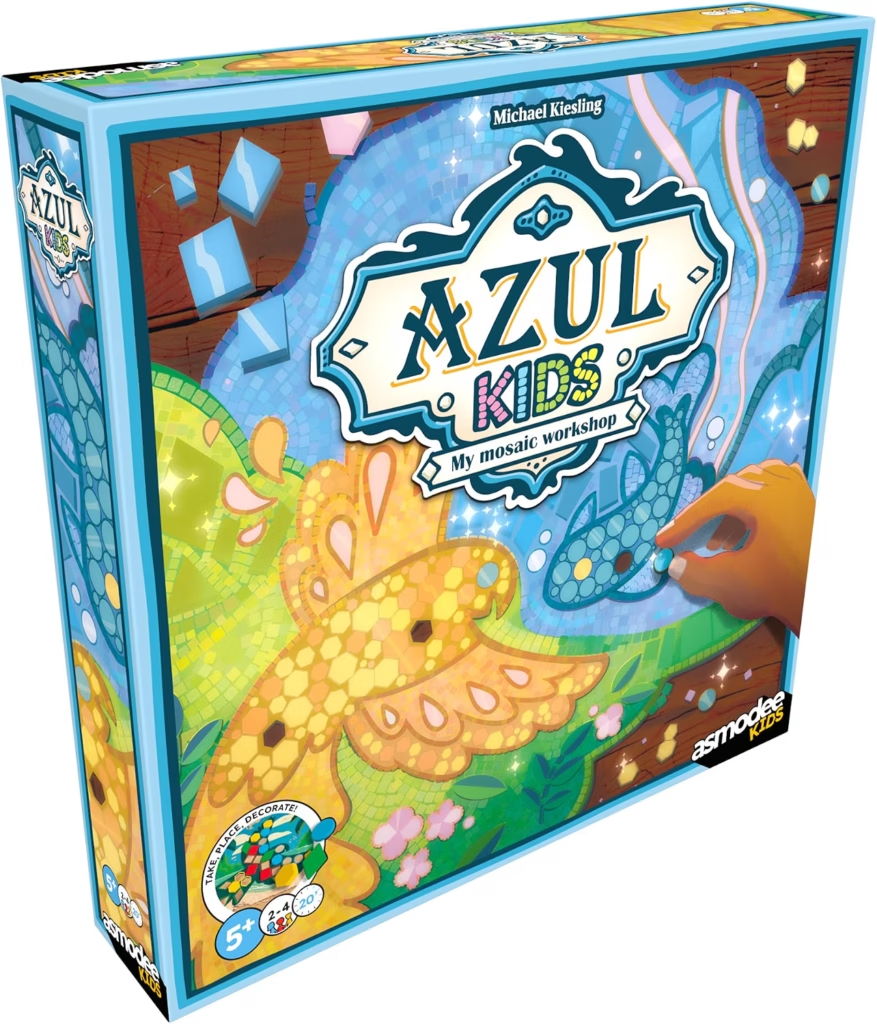
Azul Kids
This beautiful edition of Azul reimagined for kids is as perfect as a game can be. Kids will work to gather the tiles they need to complete their animal mosaics. No one can impact their game negatively, any extra tokens you take but can’t use are shared with the players beside you. Play the easy side for a simple game or choose the more strategic side where a point system is introduced.
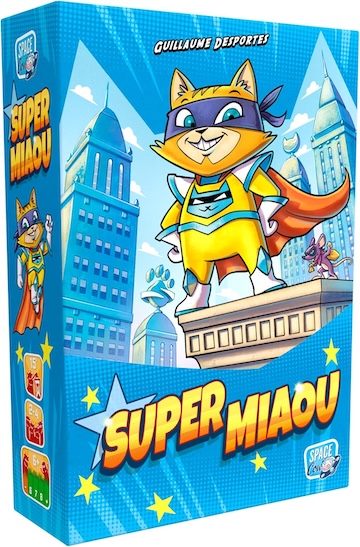
Super Meow
A quick playing first deck building game. There are no scores in this game, the winner simply wins and the game is over. Good for not inviting a comparison of outcome.
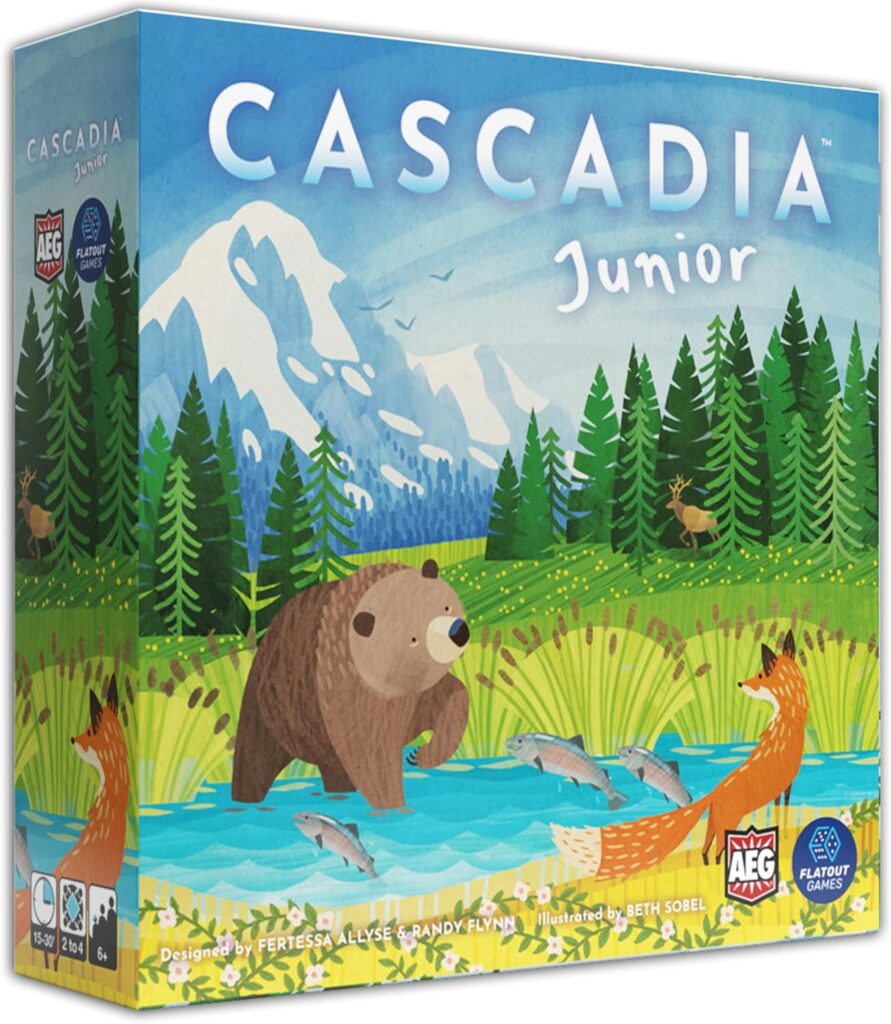
Cascadia Junior
Draft animals into your habitat. Combines a great mix of strategy and fun as you collect your favorite animals. Easily adjust difficulty up or down for players to have the game work for them. Kids work on building out their habitat with animals and do not negatively impact anyone else during the game. Keeping things friendly beginning to end.
For Families and Adults

Duck and Cover
This game plays like a solitaire game while still having an overall winner. A bit like BINGO, you’re able to enjoy playing without anyone ever impacting your game. This game has earned our Top Choice seal!
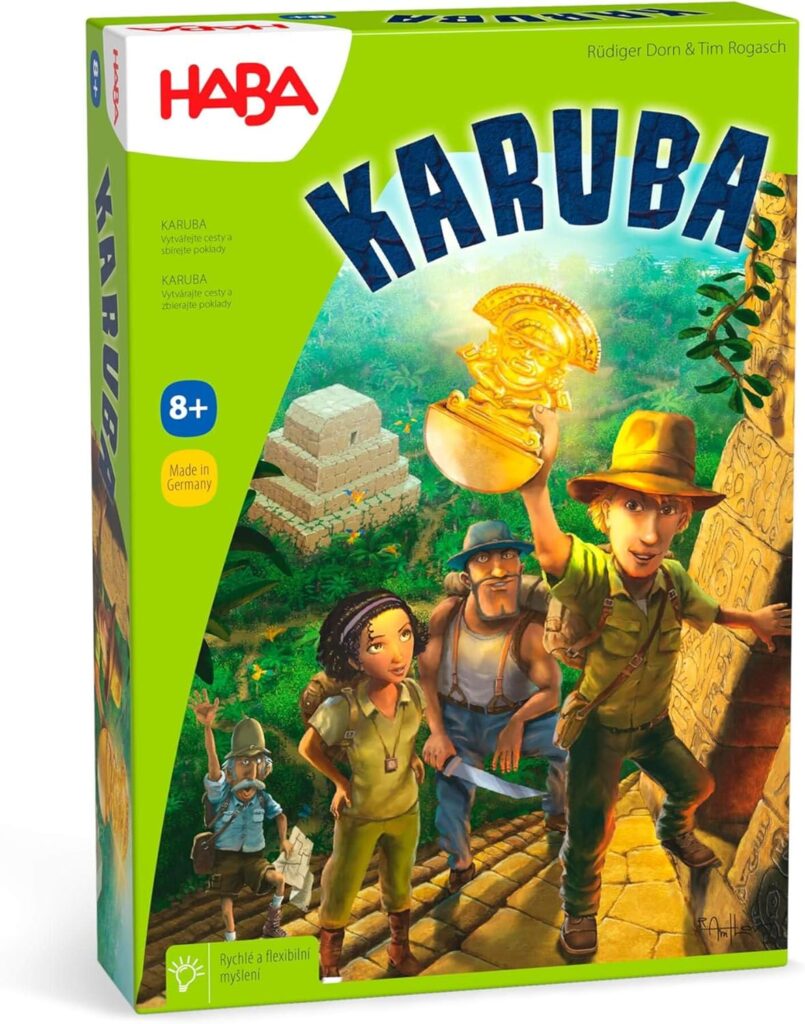
Karuba
A puzzle-y race game where everyone works on their own board. No fighting, lots of replay value!
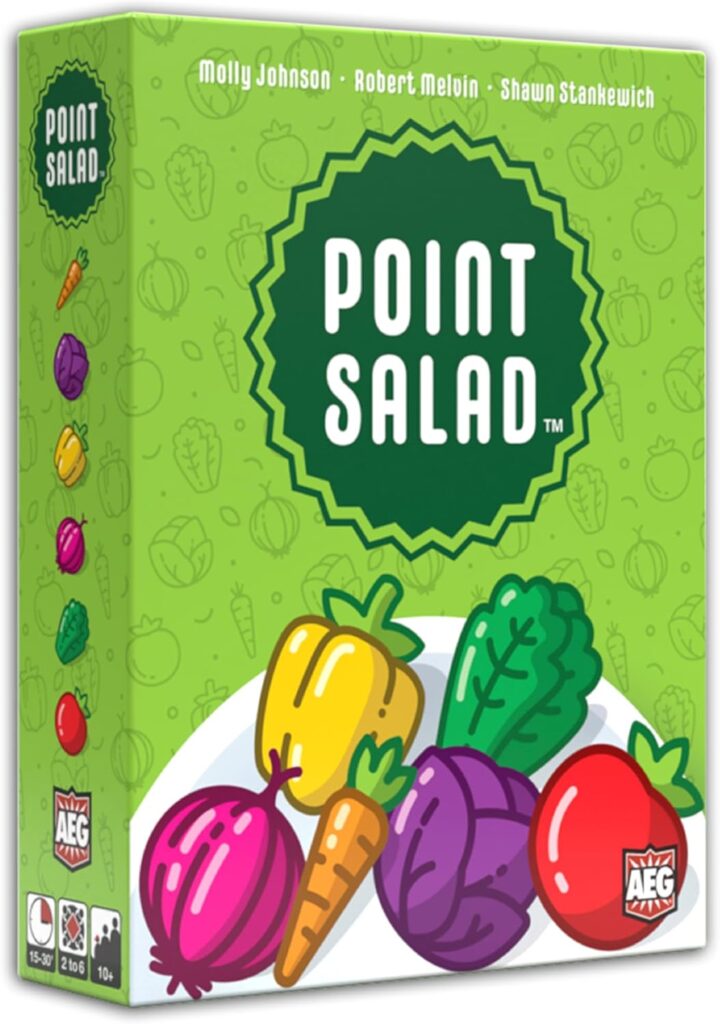
Point Salad
Draft your scoring objectives and then draft the vegetables you need to meet them. Everyone is playing against each other while also mostly focusing on their own game.
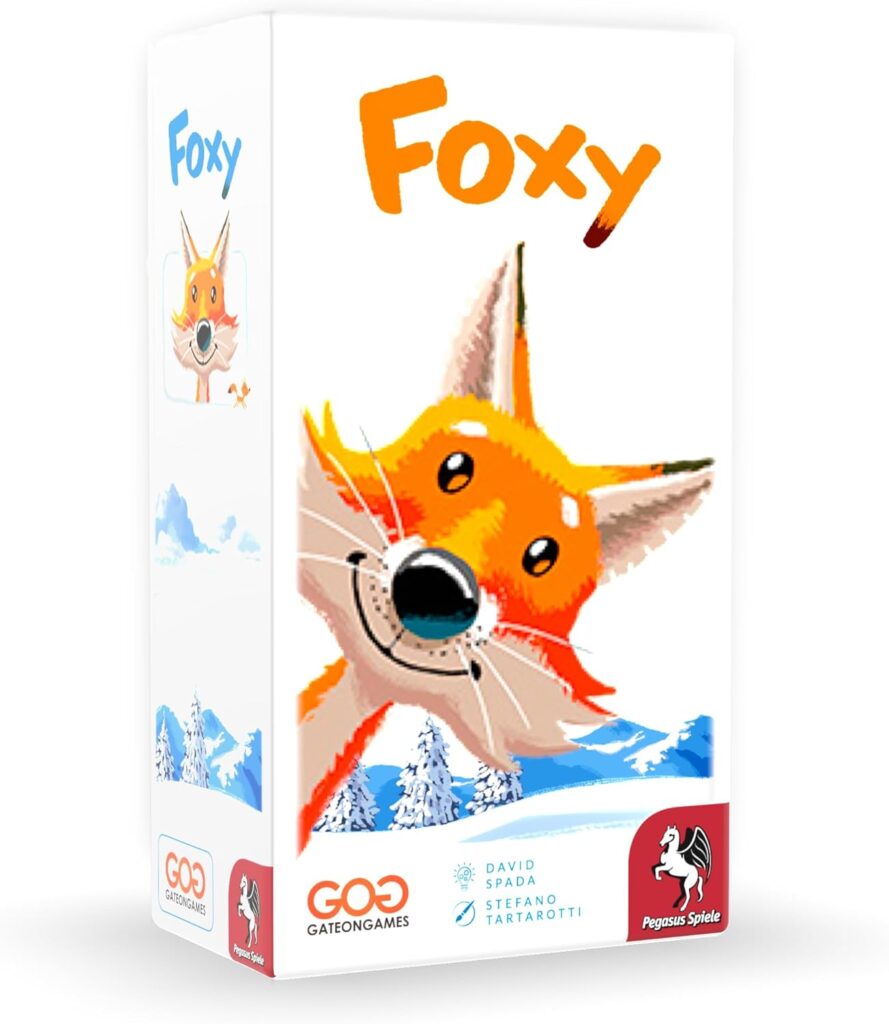
Foxy
A memory game for a group! Try to remember the number of animals you’ve seen. Want to give it a try? I’ve filmed a play-along for our YouTube channel so you can play with us right from home!
Cooperative Games
Cooperative games shift the focus from player vs. player to team vs. the game. Everyone works together toward a shared goal, which encourages problem-solving, communication, and handling setbacks — all without the pressure of losing individually. While not a guaranteed way learn to lose gracefully, cooperative games can be helpful a helpful tool to help your child.
Tip: Encourage everyone to play their own turn and offer guidance sparingly — even cooperative games can frustrate when players feel like passengers in someone else’s story.
For Kids
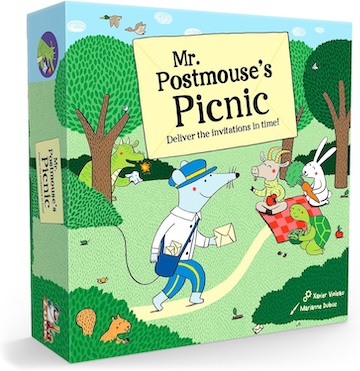
Mr. Postmouse’s Picnic
A delightful path building game with a whimsical air about it.
I’ve loved this game more each time we’ve played particularly for it’s gentle theme. It feels like old school kids’ cartoons in the best way.
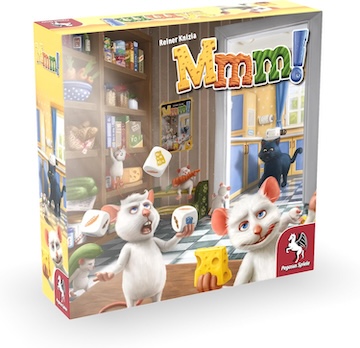
MMM!
A cooperative game where you’re all playing against the cat. This is also a wonderful option for solo play. My 5 year old loves it and will frequently play entirely on his own.

Ghost Fightin’ Treasure Hunters
Work together to get the gems out of the haunted house and fight ghosts. Adorable game that provides a challenge without frustration.
For Families and Adults
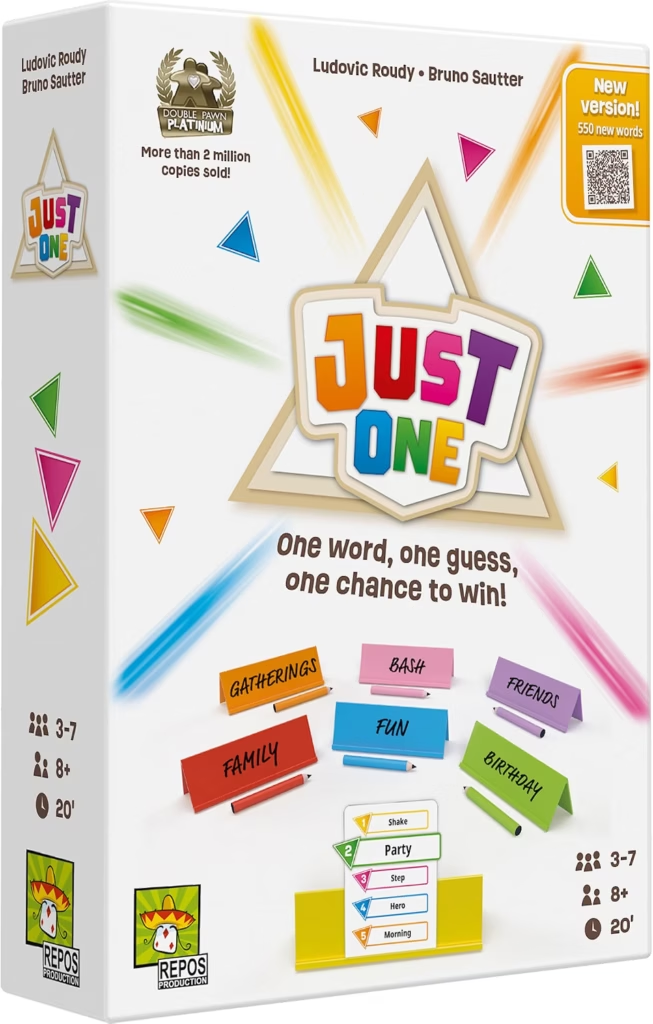
Just One
This party game has such a fun vibe to it. Everyone works together to get the active player to guess the secret word by only writing one word clues. Fast, fun, and addictive.
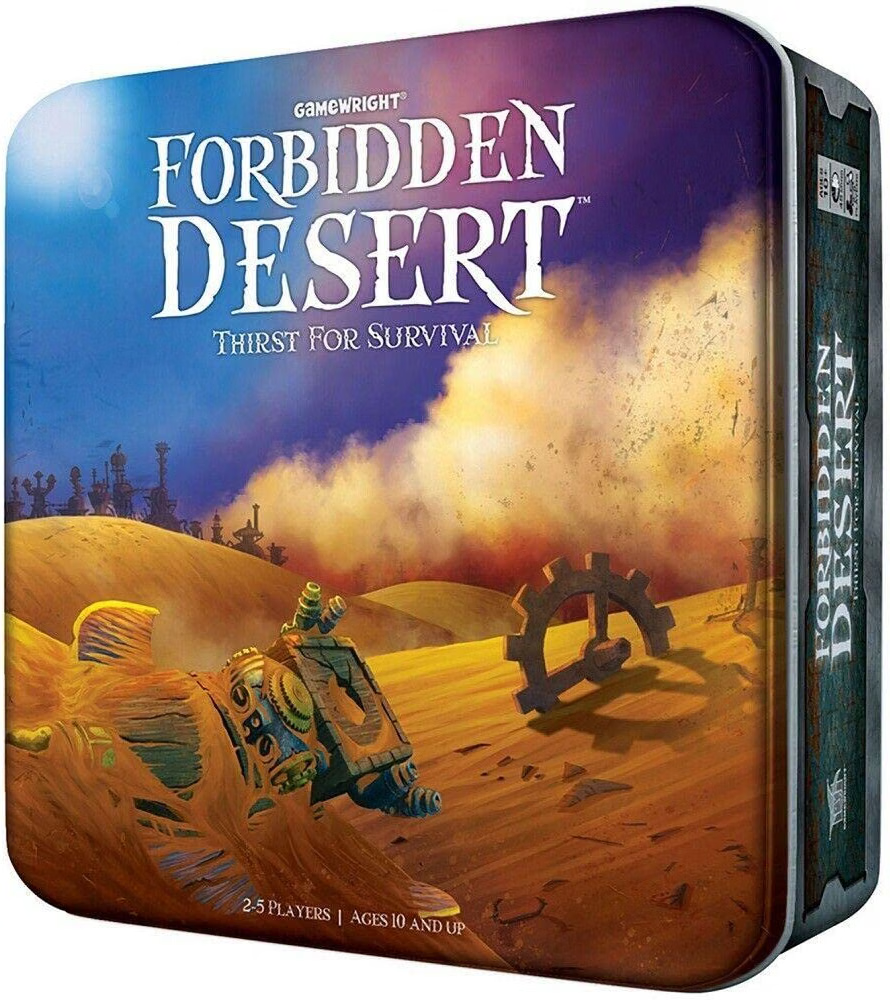
Forbidden Desert
Work together to uncover a flying machine before the sands cover it and you forever. Every game is exciting and challenging, requiring teamwork and tactical thinking.

Mists Over Carcassonne
This fantastic cooperative version of Carcassonne has you working together to place tiles, expand the city, and keep the ghosts in check. It has multiple levels so you can increase the difficulty as you’re ready!
If you enjoyed this post on Best Board Games for Kids Who Hate Losing (and How to Help Them) then you may also enjoy:
7 Tips to Help Sore Losers
Quick Games for Busy Families
Cooperative Games for Kids
Cooperative Games for Families