Seven is a great age for playing board games. Kids this age are right on the cusp of enjoying most of what’s out there, even games that list age 8+ on the box. Plenty of seven year olds, especially in the second half of the year, handle those “older” games just fine. Below, you’ll find our picks for the best board games for 7 year olds, all tested with our own family of 9.
We build this list around where kids are developmentally at this age. Seven year olds usually have a longer attention span than the year before. Many are still learning to read, though some are already making great progress. And most of them have a foot in both worlds right now. They still love plenty of straight up “kid” games, but they’re also starting to want ones that feel a little more grown up.
Every kid develops at their own pace, so if your seven year old isn’t ready for one of these yet, that’s completely normal. Don’t get too hung up on the age label either. Most of these games are just as fun for six year olds and ten year olds. We keep this list updated as new favorites earn a spot.
Our Quick Picks: Best Board Games for 7 Year Olds
Top Choice for Age 7: Splendor
Best Cooperative: Forbidden Island
Best for Family Game Night: Duck and Cover
Best for Quick Games: Piles
Best Deduction Game: Dinosaur Tea Party
The Best Fast and Light Games for Age 7

Piles
Piles is a real time, all at once card game where everyone races to match up clothing sets hidden in their own piles. There’s no reading required and no waiting for a turn, so it moves fast, and kids love the chaos of everyone playing at once. It leans on memory and speed more than reading, which makes it an easy win for this age even though the box says 8+.
Games wrap up in about 10 minutes, and it plays anywhere from 2 to 8 people, so it works just as well for the whole family as it does for a sibling pair or a friend group.

Duck and Cover
This simple, bingo style card game is one of our favorite family games ever. If you’re looking for a multi-generational pick, one your seven year old can play right alongside their great grandma, this is the one to get. Everyone plays at the same time, there’s no reading required, and you can play a one round game or a full three round game depending on your time!
It plays up to 7 players, quick to teach and always a hit at a full family table. You can even buy two sets of the game to play with more players! (that’s what we do!)
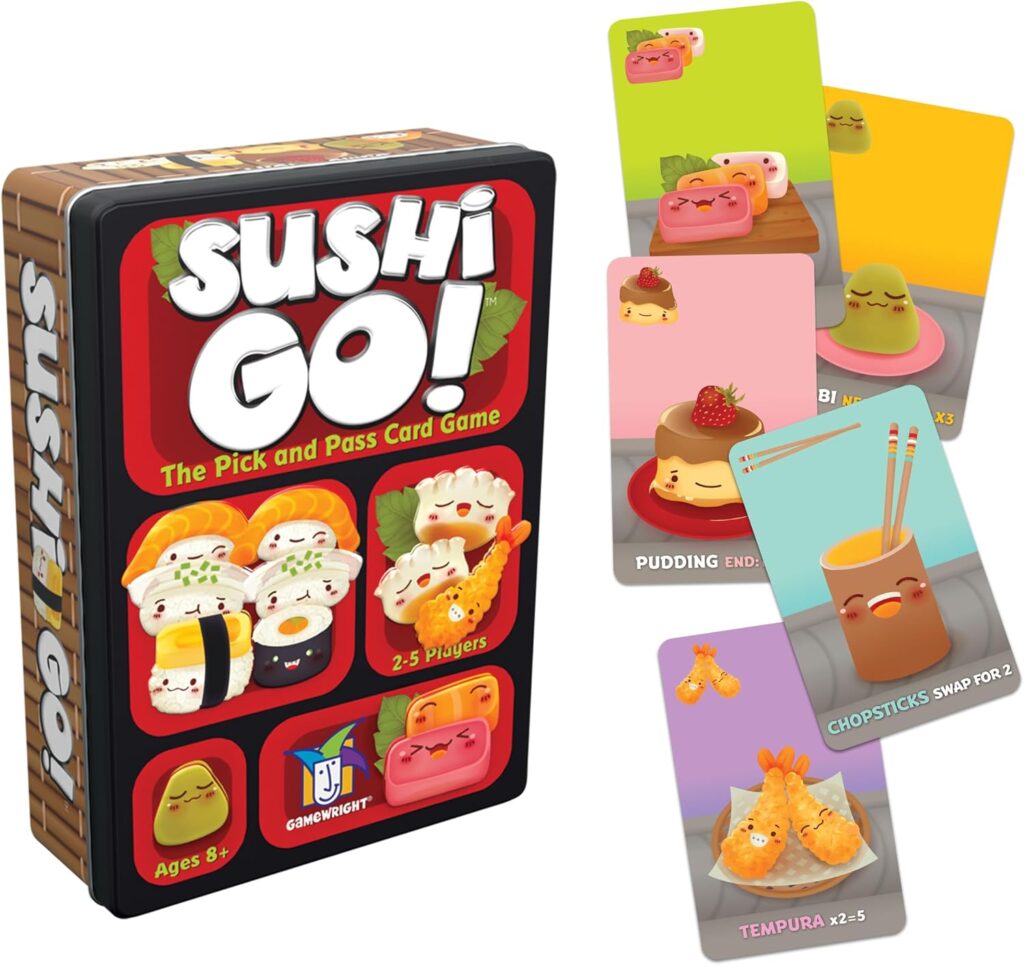
Sushi Go
Sushi Go is a fast pick and pass card game where everyone picks a card at the same time, then passes the rest along. That simultaneous play means no downtime waiting for a turn, everyone’s deciding something every round.
There’s real mental math too, since kids track how many of a set they’ve collected and what it’s worth. And the strategy runs both ways: it’s not just what you take, it’s what you hand off. Passing your neighbor a card they clearly want, or don’t, is half the game.
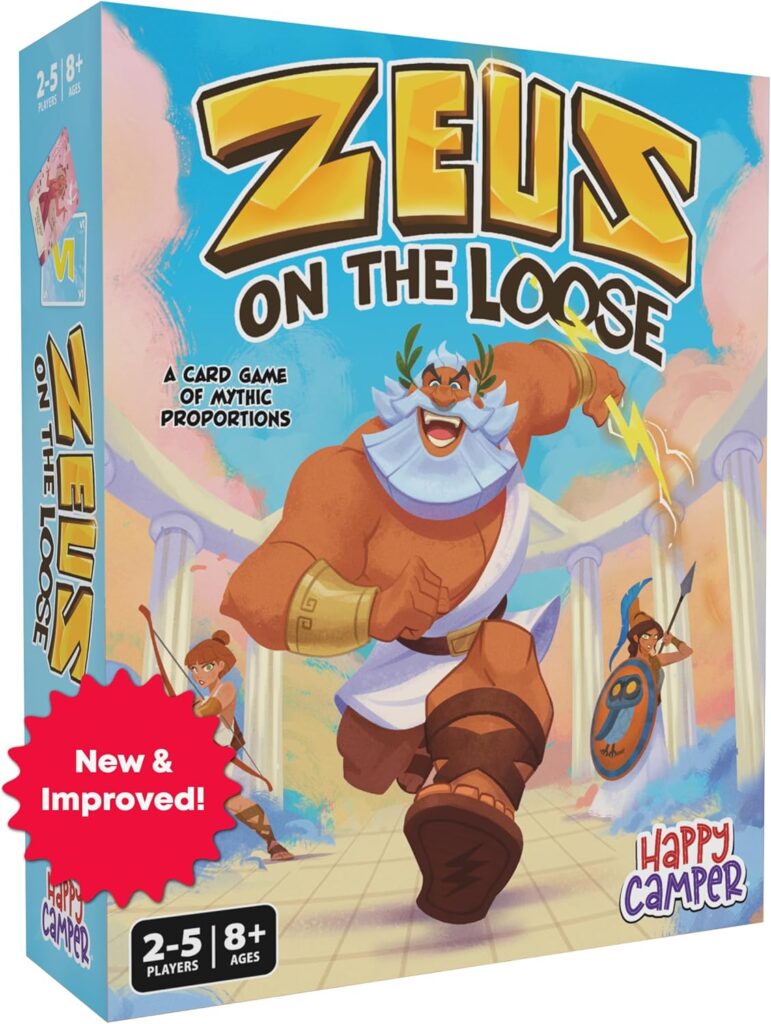
Zeus on the Loose
Zeus on the Loose is a quick math game dressed up as Greek mythology. Players add cards to a running total, trying to hold onto the Zeus figurine when the total hits 100, and can steal it right back by playing a matching number card out of turn. It’s sneaky good practice for addition, but it feels like a game your kid wants to play again, not a workbook.
The box says 8+, but it plays great for seven year olds, especially since the rules can flex up or down depending on skill level. Games run 15 to 20 minutes for up to 5 players, easy to fit in before dinner.
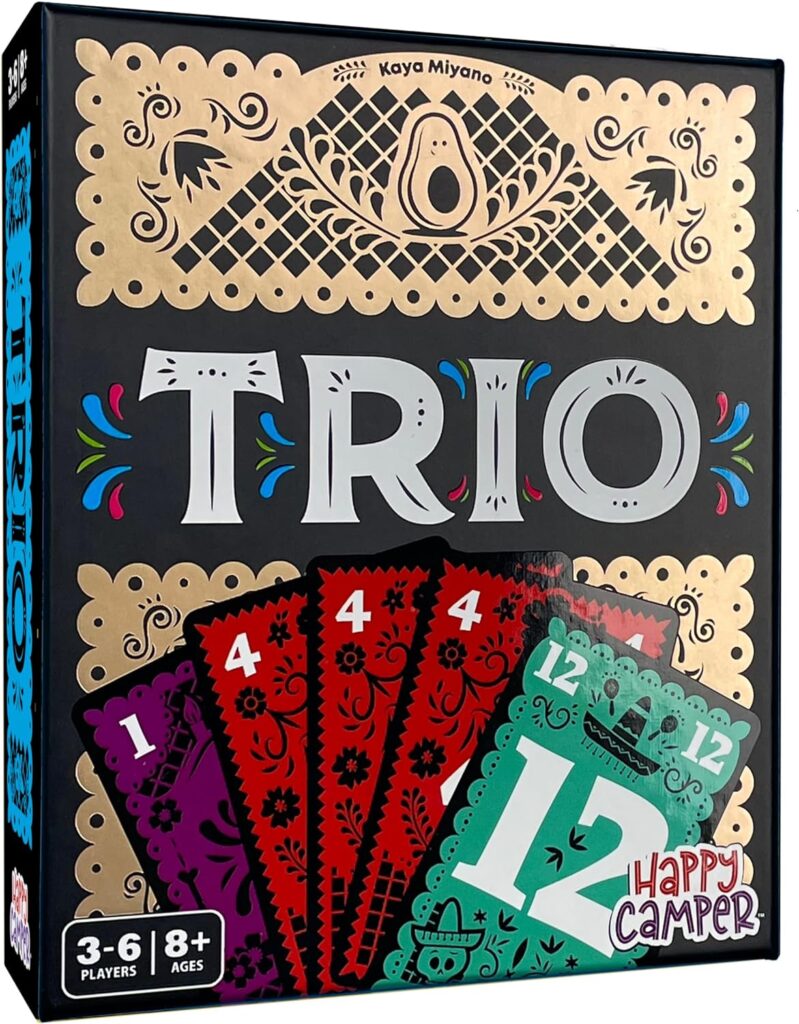
Trio
Trio is a memory game with a clever twist: you can only ask for someone’s highest or lowest card, never anything in between. That means every reveal gives away information, and paying attention pays off. Kids get real working memory practice tracking what’s already been shown and using it to deduce where the cards they need must be hiding. It’s simple enough for age 6 and up, but the deduction keeps it interesting for older kids and adults at the table too.

Jungo
Jungo is a ladder climbing card game with one clever twist: once your cards are in your hand, you’re not allowed to rearrange them. Every turn you’re playing whatever’s next in line, so you have to plan ahead instead of just picking your best card in the moment. If you can’t play, you draw from the Jungo pile and slot the new card in wherever you choose.
It plays in about 15 minutes and works for 2 to 5 players. The no rearranging rule makes it more strategic than it looks at first, which keeps it interesting for the adults at the table too.
Grandpa Beck’s Card Games
Grandpa Beck’s makes some of our favorite card games for this exact age, since almost everything they publish is rated 7 and up right out of the box, no stretching required. Here are some games we love for age 7:
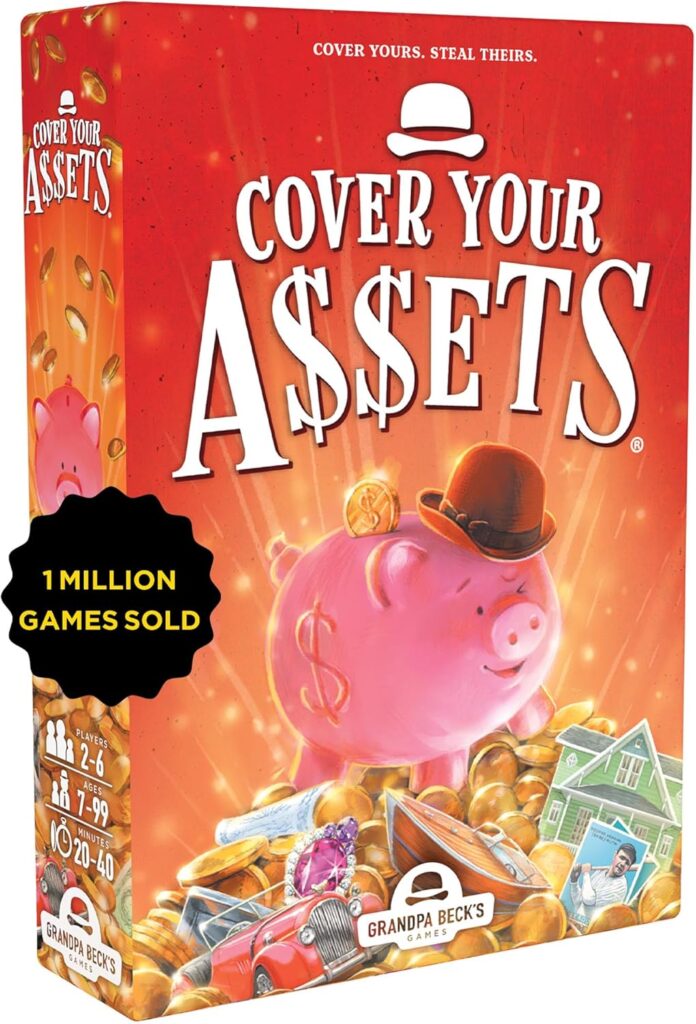
Cover Your Assets is a fast paced set collection game where you’re building stacks of assets while trying to steal your opponents’ stacks out from under them. It’s quick to teach, and the steal-and-protect mechanic keeps everyone paying attention even when it’s not their turn.
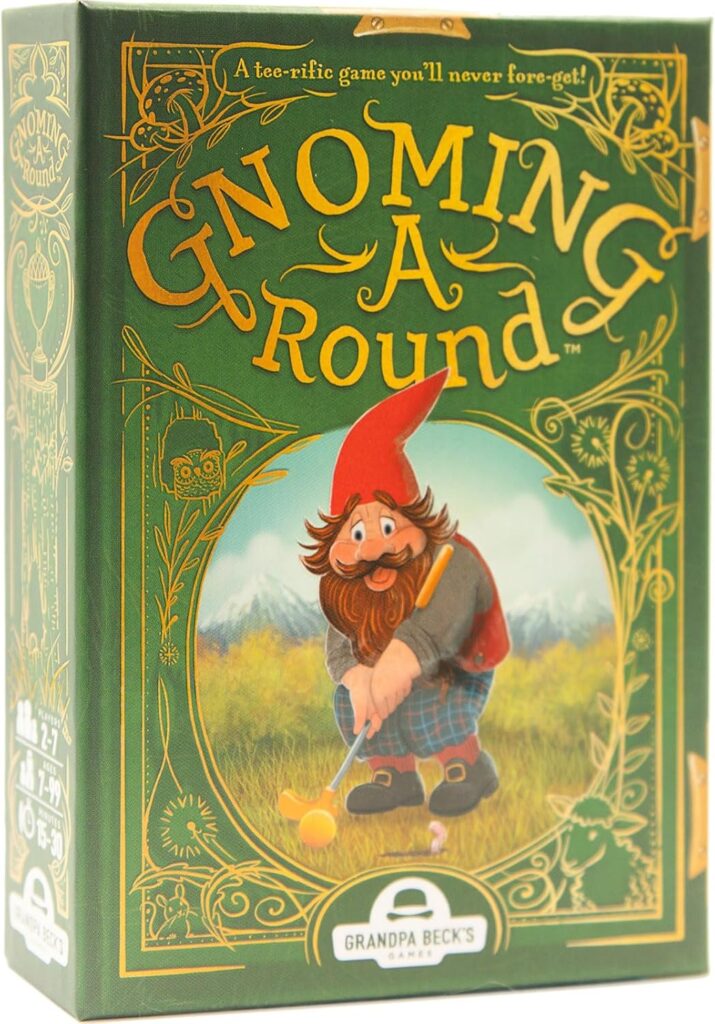
Gnoming a Round a fun twist on the classic card game Golf. Lowest score wins, and kids lower their score by collecting negative cards or matching sets of three. Easy to pick up fast, but there’s enough strategy in it to stay interesting past the first few rounds.
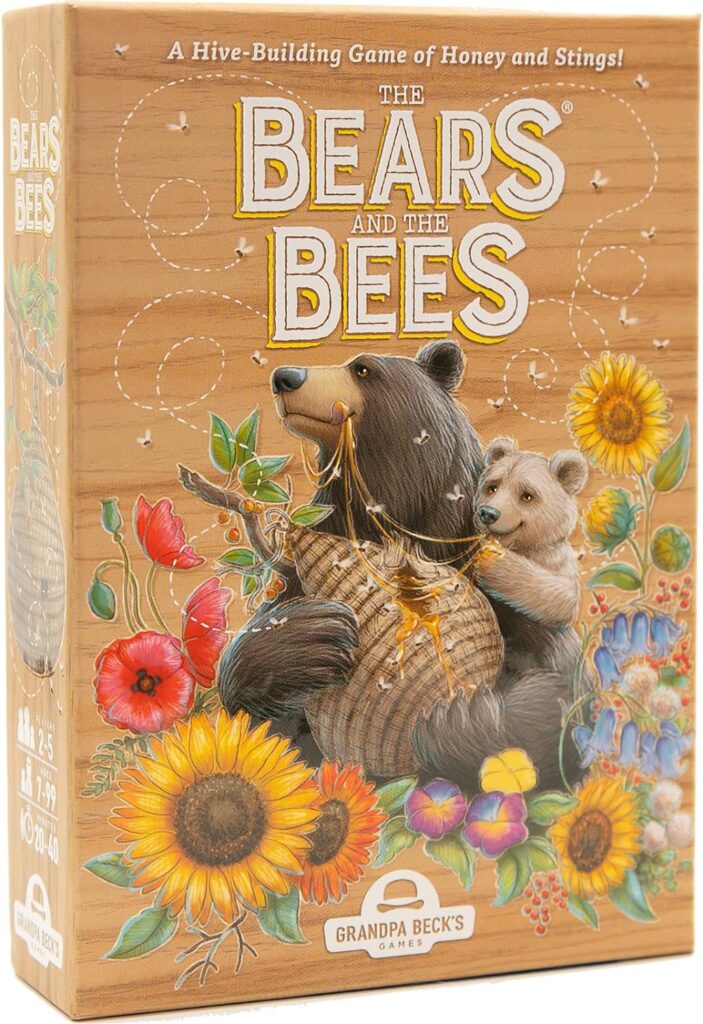
The Bears and the Bees is a tile laying game where players connect matching colors to build out a hive, while attack cards from opponents slow you down. It’s a solid next step for kids who love a bit of observational strategy and planning.
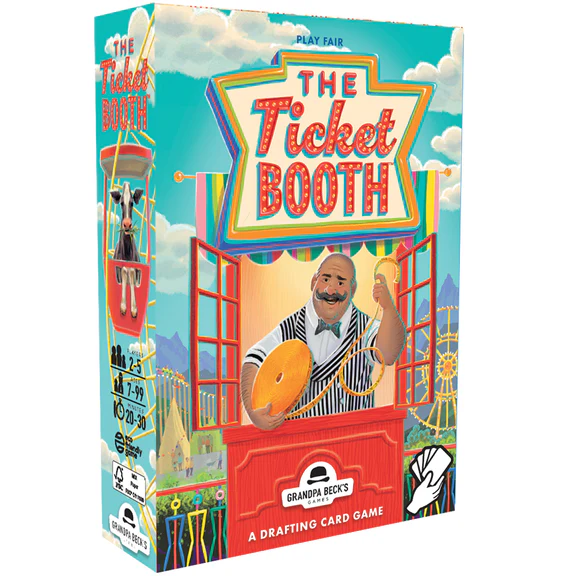
Ticket Booth is their newest release, a set collection game where you spend tickets to claim the best midway attractions. If your family already loves their other games, this one’s an easy add.
We cover the full lineup in more depth in our guide to Grandpa Beck’s Card Games, worth a look if any of these become a favorite.
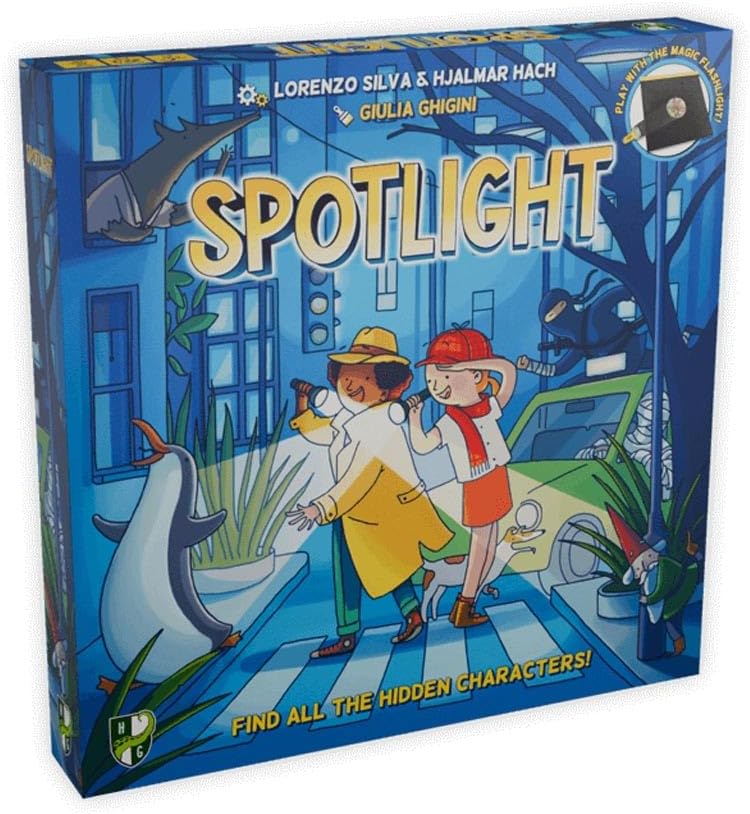
Spotlight
Spotlight is a seek and find game with a fun twist: you a magic flashlight to hunt for hidden pictures on a darkened board before the sand timer runs out. It’s genuinely clever, not a screen based hidden object game and due to how the game works, it’s very challenging to memorize where the pictures are on the various boards allowing it to be replayed again and again.
It works cooperatively, so the whole family can hunt together, or you can switch to the competitive version once everyone’s ready for a bit more pressure. This is a popular pick my kids all choose for siblings games, it plays in about 15 minutes for 1 to 5 players. If this style is a hit, check out our full list of seek and find board games for more.
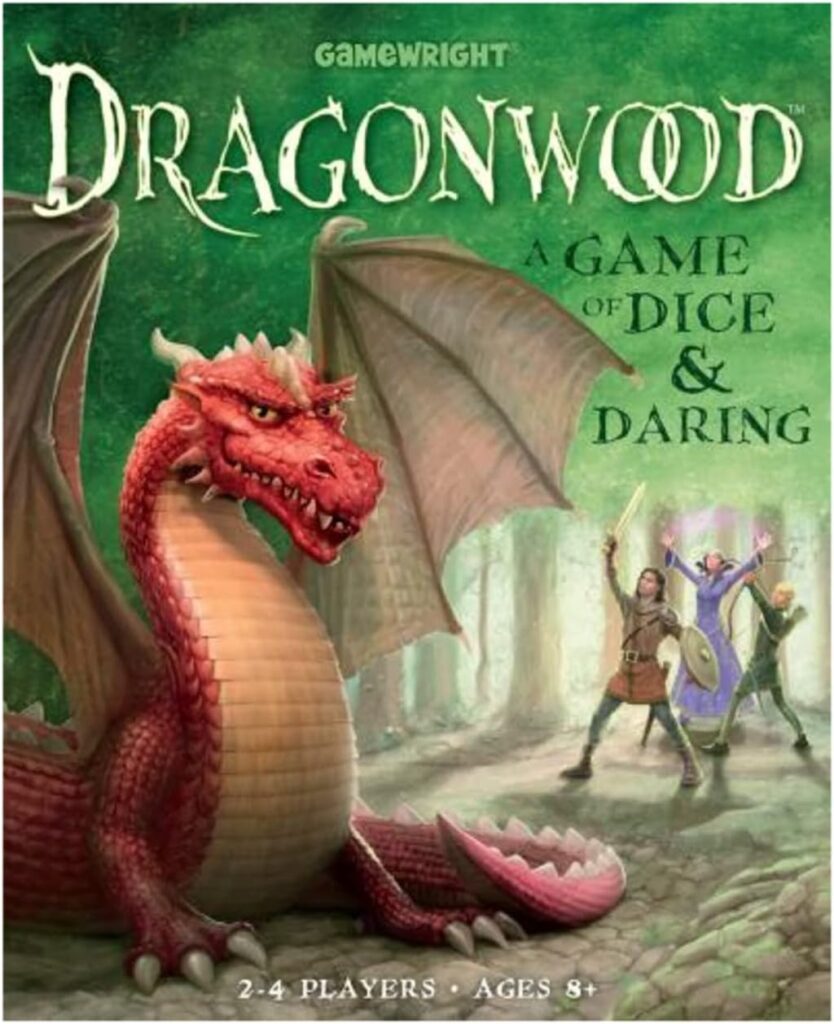
Dragonwood
Dragonwood mixes cards and dice into a push your luck battle against a landscape of forest creatures. To capture a card, you play a straight, a set of matching numbers, or a set of matching colors from your hand, then roll dice to see if you hit hard enough. Kids end up doing real math without realizing it, adding up dice rolls and weighing which creature is actually worth the risk to fight.
The Best Push Your Luck Games for Age 7
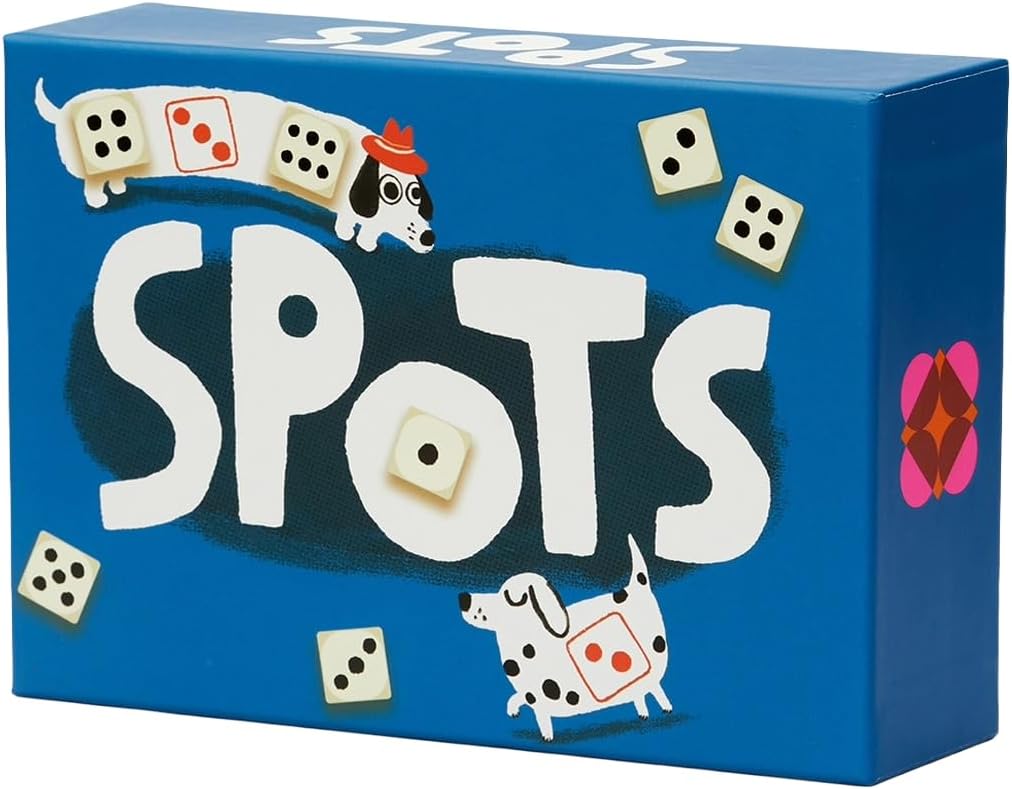
Spots
Spots is a press your luck dice game where you fill in dog cards by rolling and matching spots, without burying too many misses along the way. Nobody can mess with your progress but you, which makes it a great low pressure way for a seven year old to practice handling rolls that don’t go their way. The box says 10+, but but it works for ages much younger than that.
Beyond that, it’s just pure fun. Games run about 30 minutes for up to 4 players, and it’s the rare game that grandparents and grandkids both genuinely want to play again.

Flip 7
Flip 7 is a press your luck card game where you flip cards one at a time, trying to collect as many unique numbers as you can without landing on a duplicate and busting. There’s no reading involved, no setup beyond a shuffle, and the rules are simple enough to explain in one round. That low barrier to entry means it’s an instant yes on family game night.
It’s a great one for building frustration tolerance too, since every flip is a real decision between banking what you have or pushing for more. And when someone hits all 7 unique cards, or busts out on the very last flip, those are the moments that end up getting talked about for weeks.
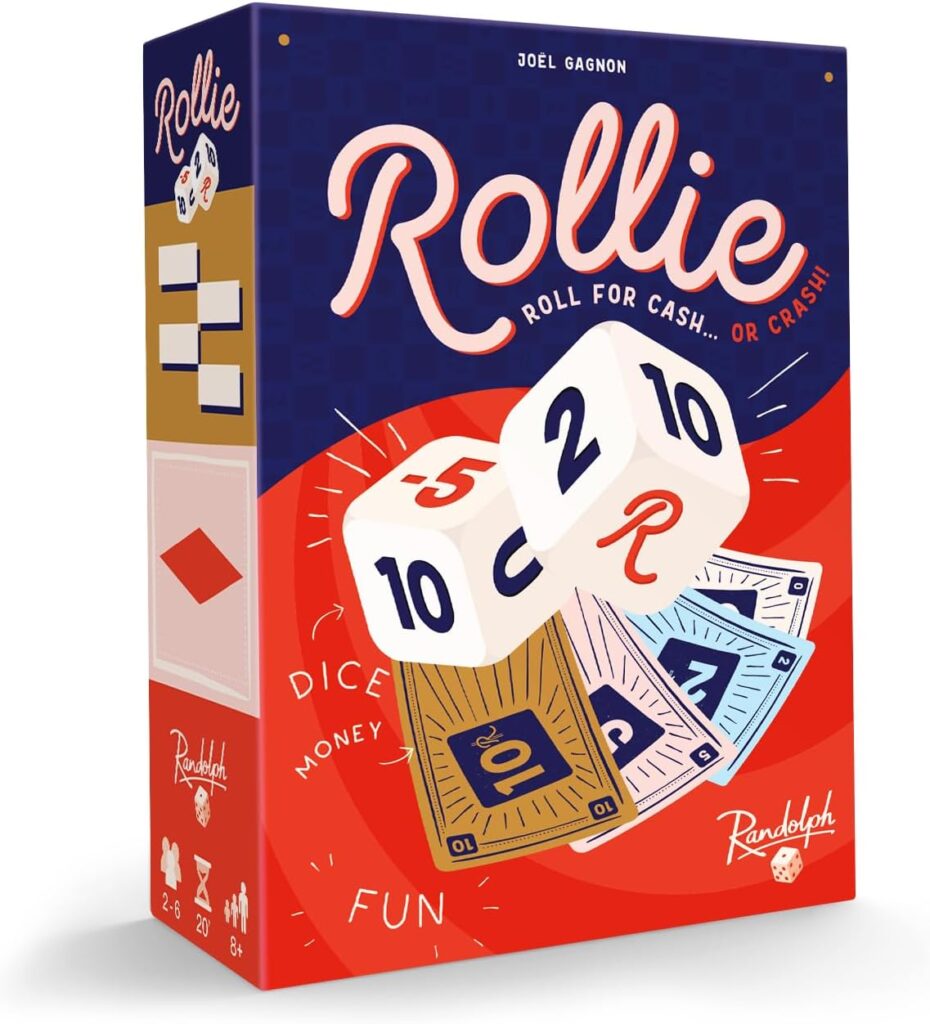
Rollies
Rollie is a push your luck dice game where you’re never really sitting on the sidelines, even when it’s not your turn. A bad roll from another player can wipe out everyone’s unbanked winnings too, so the whole table stays locked in for the whole round instead of checking out until it’s their turn again. That constant involvement is great for younger kids, since there’s no long stretch of waiting around to pull their attention away.
Games run about 20 minutes for up to 7 players, easy to pull out for a full family table.
If this style clicks for your kids, we’ve also got a full list of push your luck board games worth checking out.
The Best Cooperative Board Games for Age 7
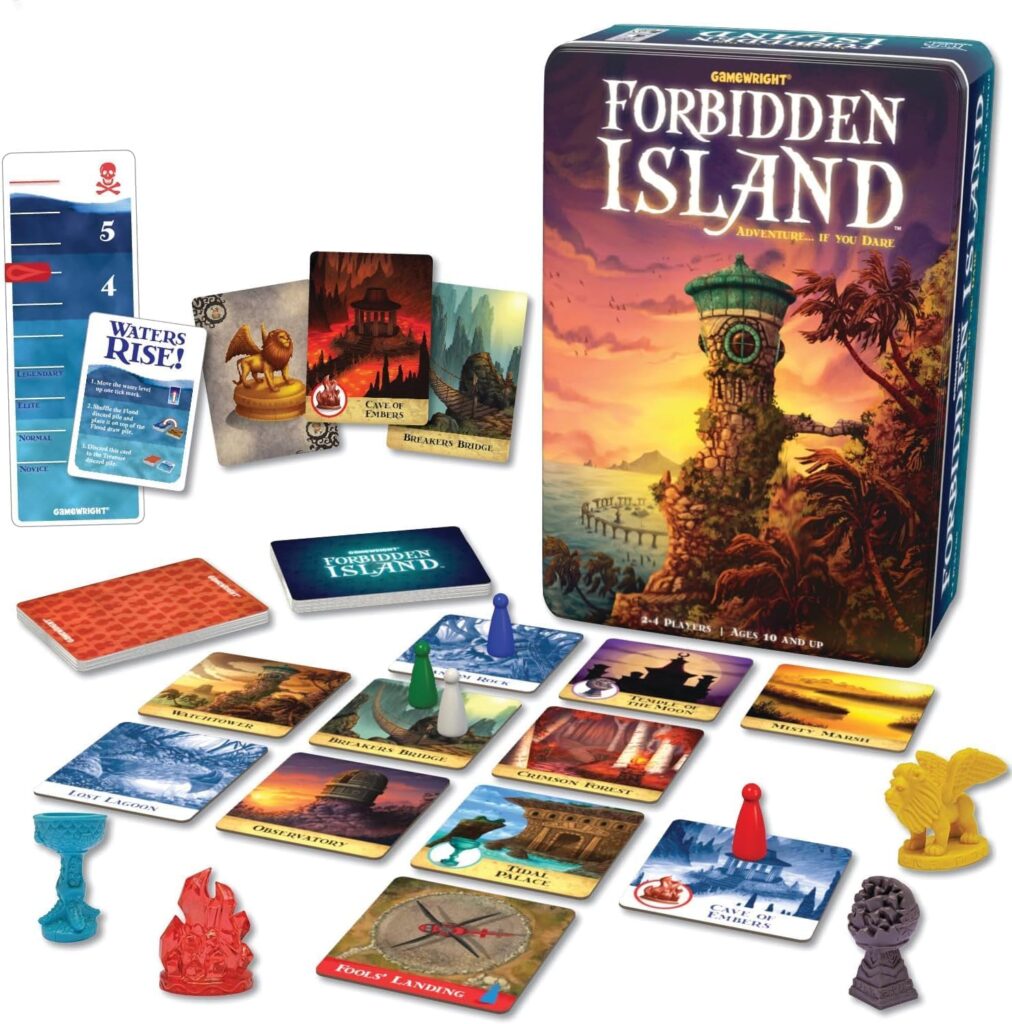
Forbidden Island
Forbidden Island is fully cooperative, so everyone wins together or loses together. No one gets picked off or knocked out early. Players work as a team to collect treasures and escape before the island sinks beneath them, adjusting the plan every turn as more of the board floods.
The box says 10+, but the difficulty is adjustable and most kids 7-8 years old handle it perfectly fine. We like that this one doesn’t hand out an easy win every time. Losing teaches kids that not every game goes your way, and that’s a good thing to practice early.
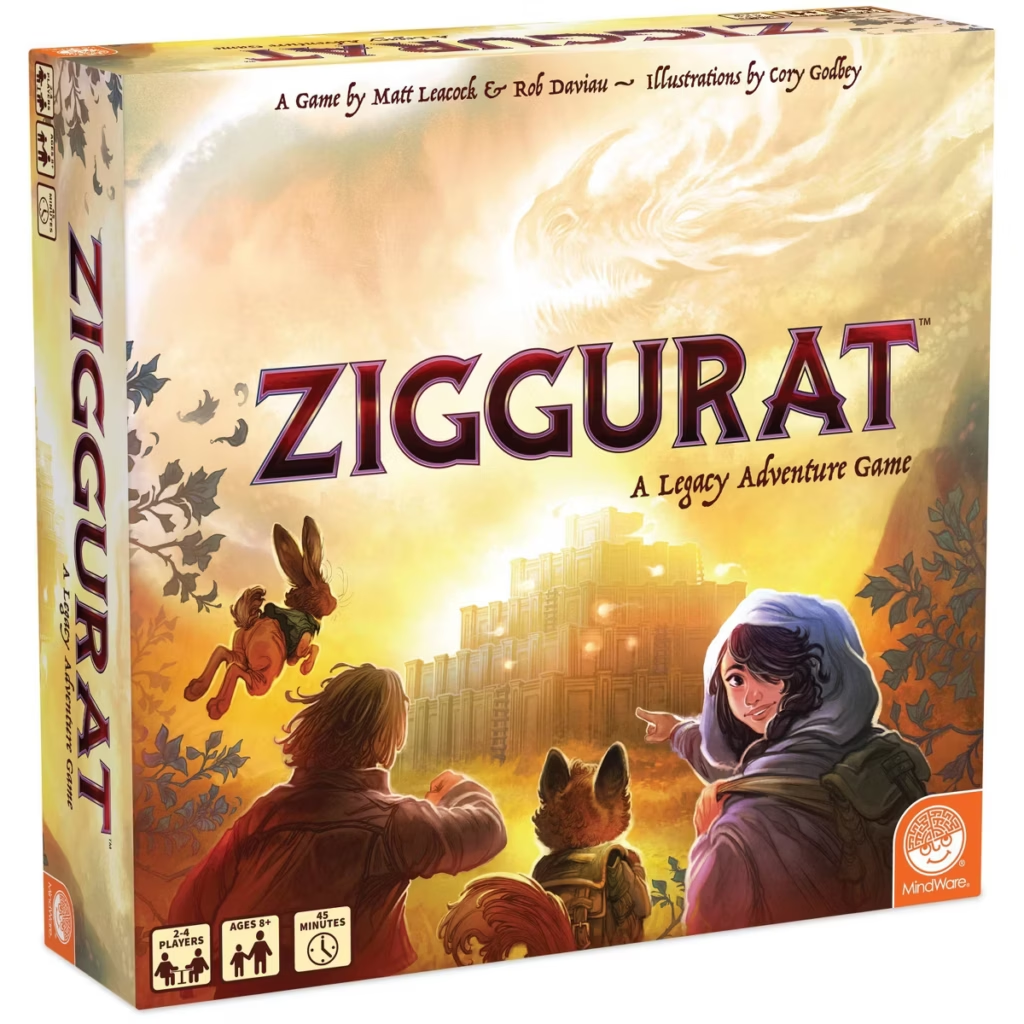
Ziggurat
Ziggurat is a cooperative legacy game from Matt Leacock, the same designer behind Forbidden Island, teamed up with Rob Daviau, who basically invented the legacy game genre. Your family works through six chapters together, solving puzzles and facing hazards as a team, and the choices you make along the way permanently change the game for next time.
Since this is a family game, there’s naturally an adult at the table handling any reading, so it works great even for kids who aren’t reading fluently yet. We played it with our kids ages 5-10 and it was a hit across the board, adults included! Each chapter runs 20 to 40 minutes, and it plays with 2 to 4 players.
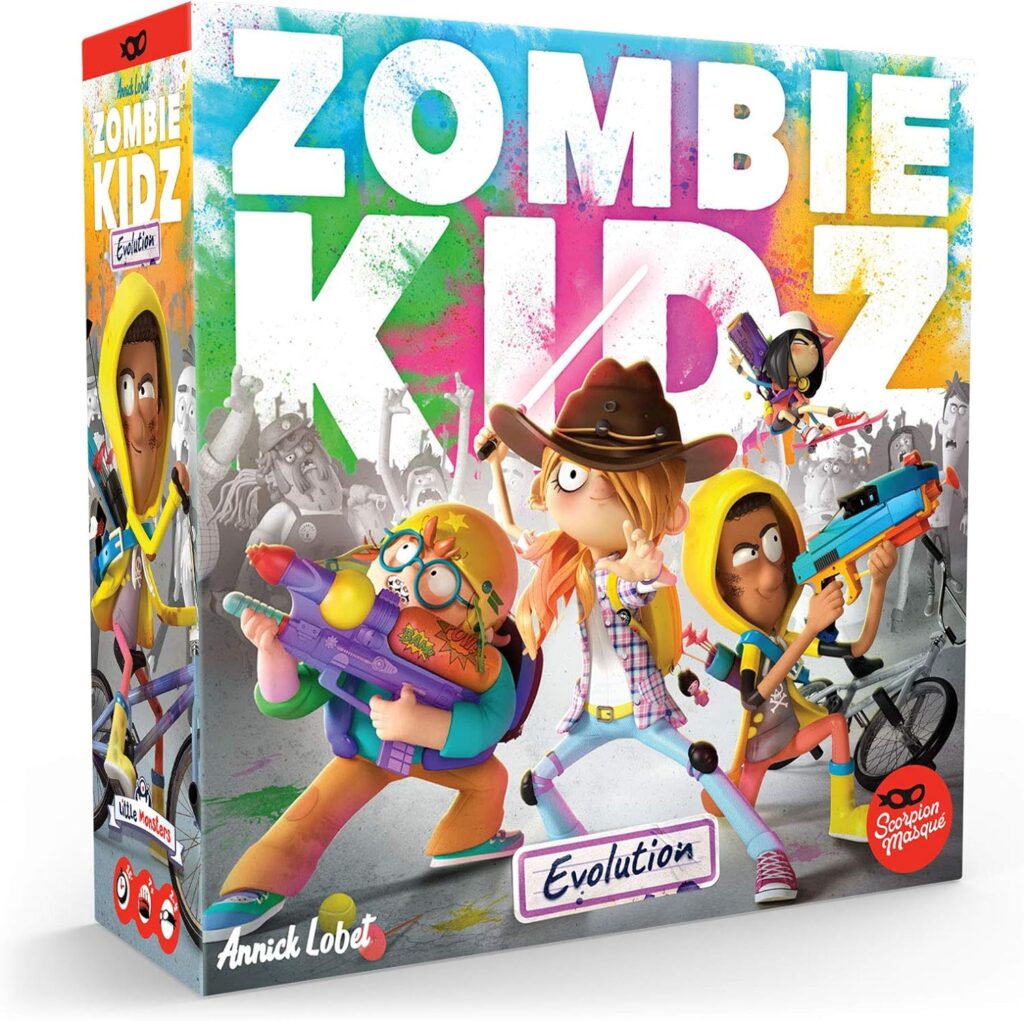
Zombie Kidz & Zombie Teenz
These two cooperative campaign games grow with your kid. Zombie Kidz Evolution is built for age 7 and up, plays in under 15 minutes, and the whole family works together to lock down the school before zombies take over. Win a session and you unlock a new envelope with new rules and challenges, so the game keeps evolving instead of getting stale after a few plays.
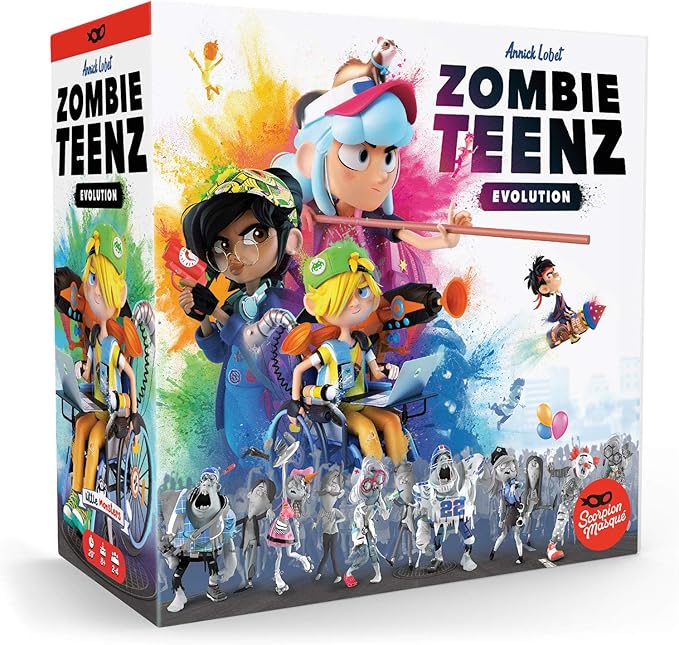
Zombie Teenz Evolution is the natural next step once your seven year old is ready for a bit more. It’s a standalone game, not a sequel you need Kidz to play first, and it swaps gate locking for a supply run around town. Both are fully cooperative, so nobody gets eliminated or left out, it’s a team working toward the same goal together.
Read our reviews of Zombie Kidz Evolution and Zombie Teenz Evolution for a closer look at both.
Best Logic and Deduction Games for age 7
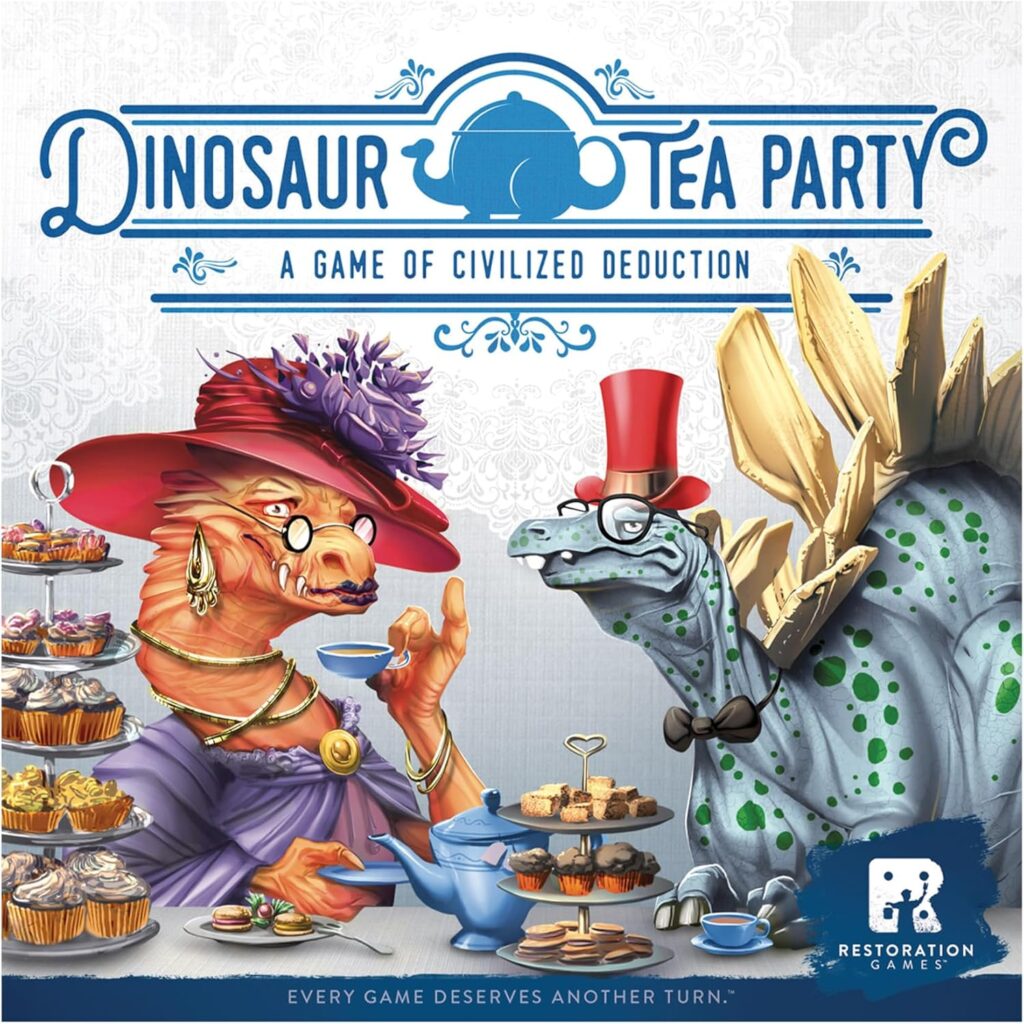
Dinosaur Tea Party
Dinosaur Tea Party is our go to pick over Guess Who, and a great next step for kids who’ve outgrown Outfoxed. Players ask yes or no questions to figure out which dinosaur guest their opponents are holding, using trait tokens to track what’s already been revealed. A few tiles secretly make certain dinosaurs always lie, always say no, or switch their answers, which keeps older kids and adults guessing right alongside the younger ones.
Logic and deduction games are some of our favorites for this age, and the working memory they build genuinely helps in the classroom too. Read our full Dino Tea Party review for more.
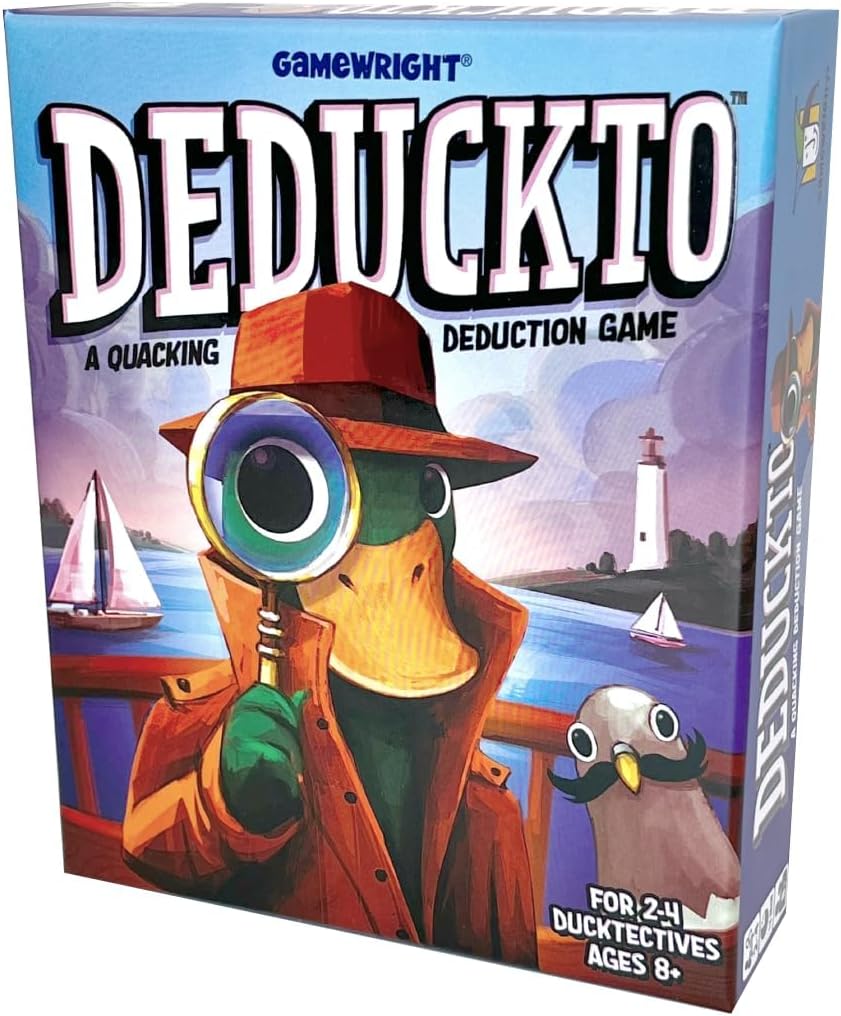
Deduckto
Deduckto flips the usual deduction formula: instead of guessing someone else’s secret, you’re trying to figure out your own. Each suspect card is made up of an animal, a disguise, and a location, and players ask strategic questions to narrow down which combination is theirs. Rules take about two minutes to learn, but the deduction itself stays genuinely challenging.
It’s another strong addition to the logic and deduction lineup on this list. The box says 8+, but the short, focused rounds make it approachable for seven year olds too. Games wrap up in about 15 minutes for 2 to 4 players.
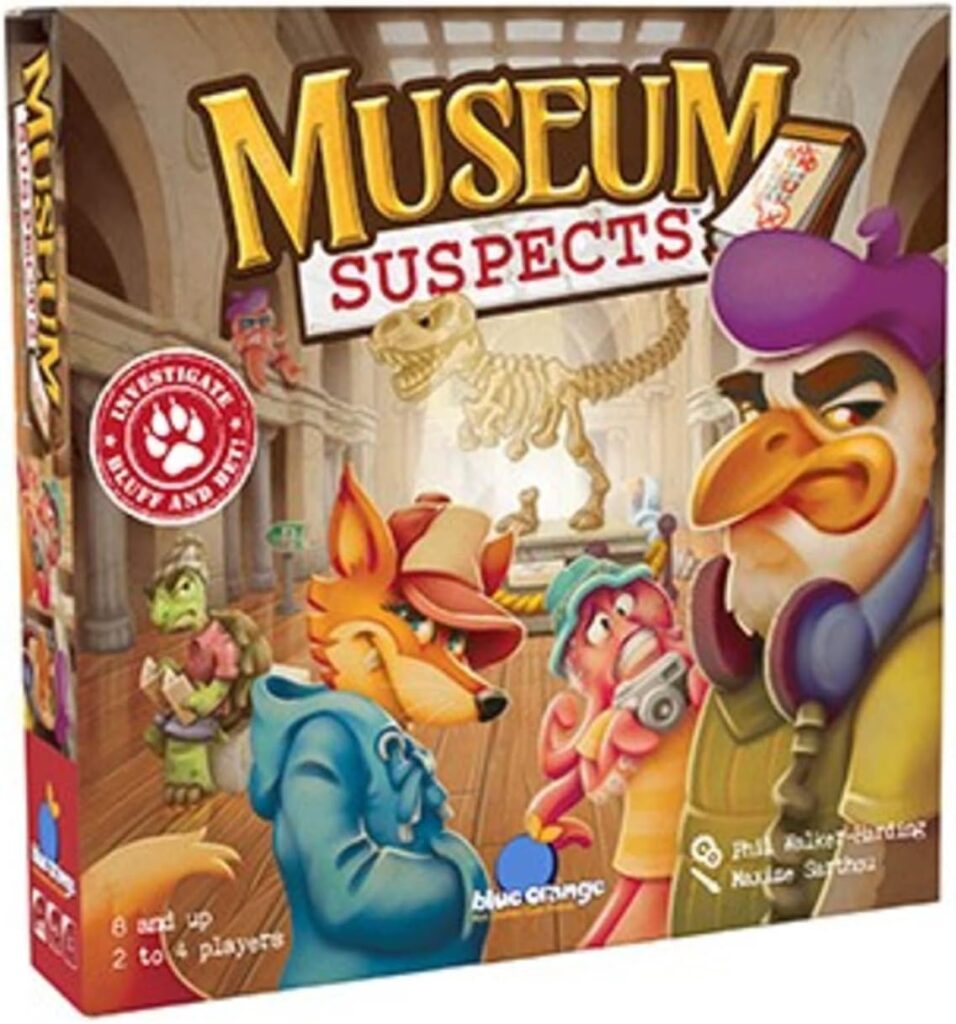
Museum Suspects
Museum Suspects is another deduction pick, and a great substitute for Clue if your family has worn that one out. Over six rounds, players buy clues about which suspects are innocent, then place bets on who actually stole the missing museum piece. The betting and bluffing layered on top of the deduction gives it more replay value than a straight process of elimination game.
The box says 8+, but it plays well for seven year olds who are already comfortable with logic games. Games run 20 to 25 minutes for 2 to 4 players.
Best Strategy Board Games for Age 7
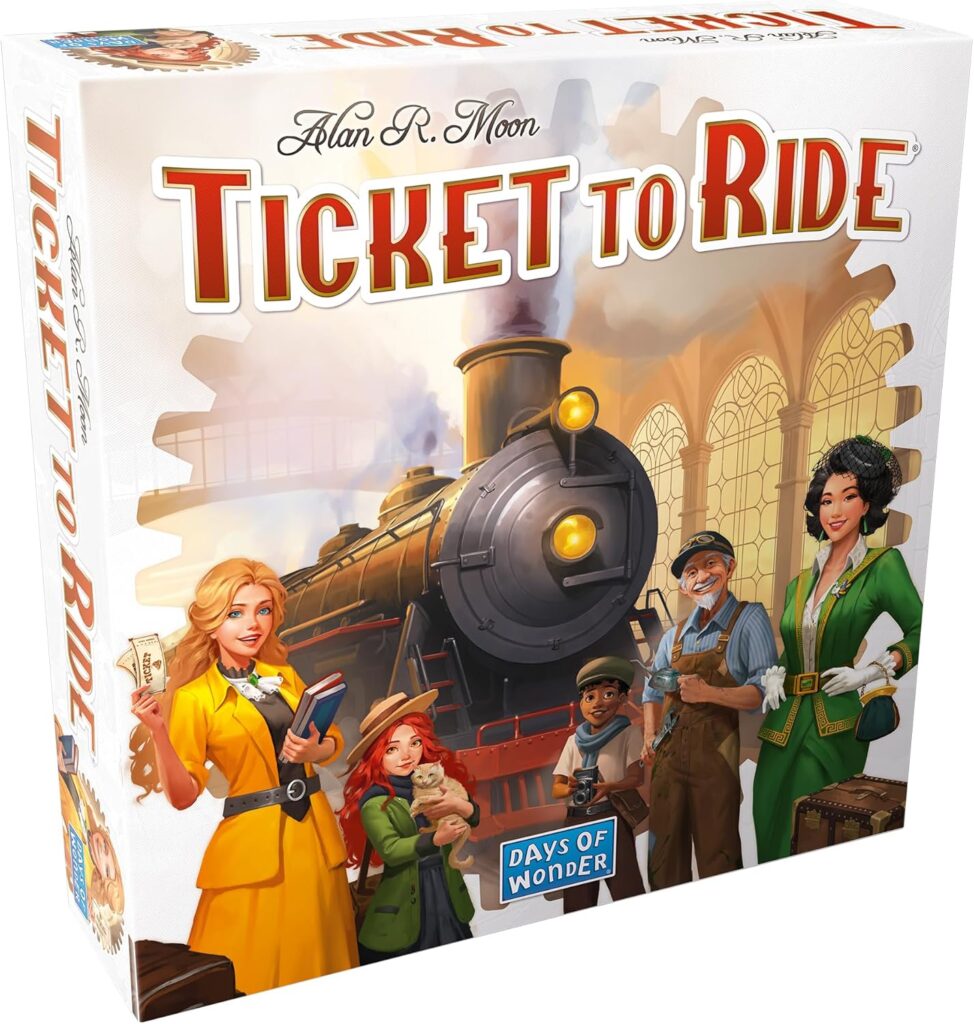
Ticket to Ride
Players collect matching train cards to claim railway routes across a map while racing to complete secret destination tickets. It teaches fast, the color matching makes the rules click almost instantly, and there’s limited reading required. That makes it a great fit for seven year olds who want to play a grown up game and it’s one your family will play for years together. (we’ve been playing our copy over 15 years!)
Heads up: a full game runs close to an hour. If that’s too long for your crew, grab Ticket to Ride: First Journey instead. It’s built for kids, plays much faster, and it’s a family favorite in our house for that reason.

Splendor
Splendor is a top pick for this age. Players collect gem tokens to buy development cards, building toward the points needed to win. No reading required, and the chunky gem tokens are satisfying to handle, which keeps younger hands engaged.
Setup takes minutes, so there’s almost no barrier to jumping in. Games run about 30 minutes, short enough to hold a seven year old’s attention start to finish. And here’s the thing: Splendor isn’t a kids’ game. It’s a real strategy game with surprising depth packed into a tight, simple package. Kids just happen to be able to play it, and play it well, completely on their own.
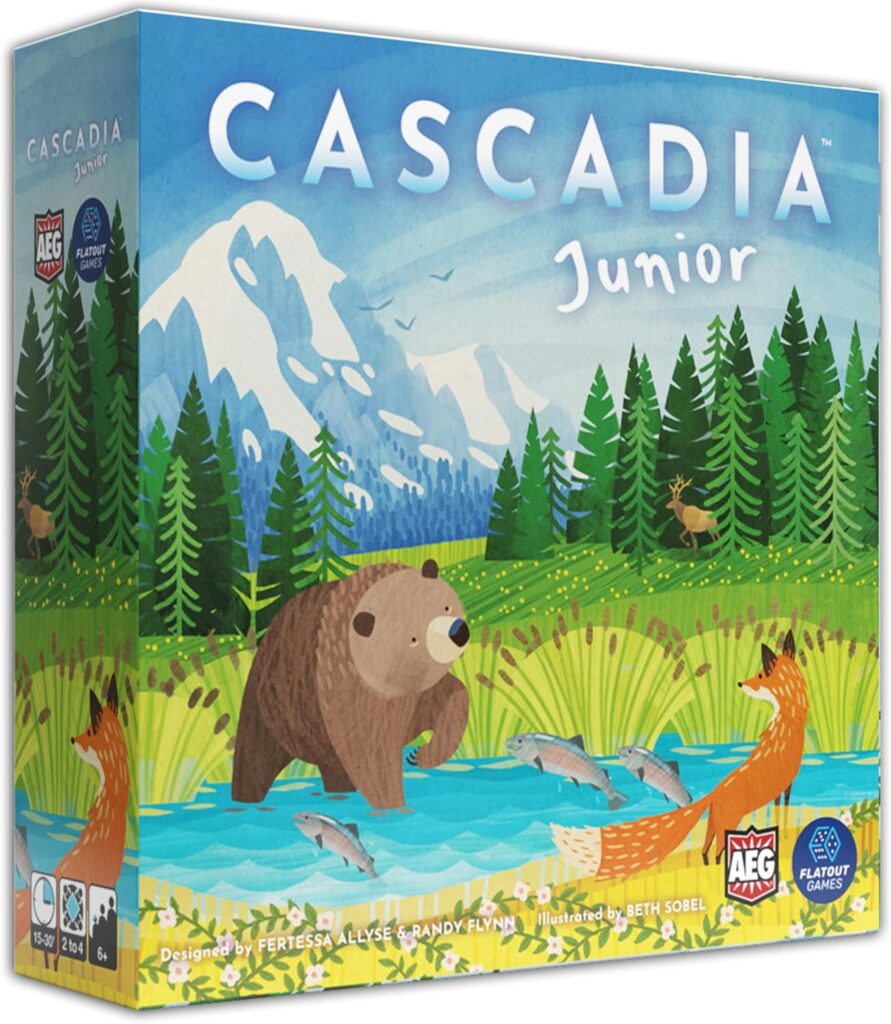
Cascadia Junior
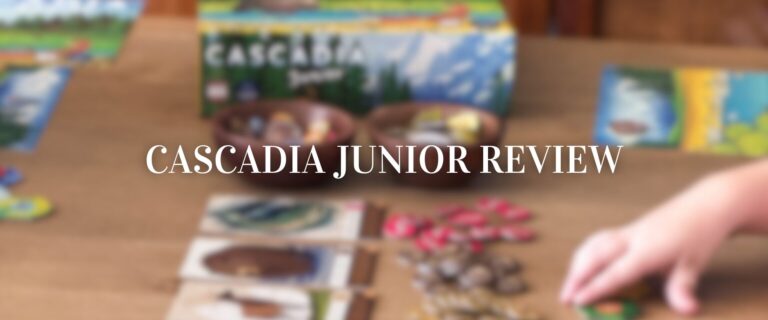
Cascadia Junior is a tile drafting game where kids build out their own little ecosystem, matching habitats and grouping wildlife to score points. It sneaks in real skills along the way, pattern building, basic addition, and set collection, while kids learn about animals like bears, hawks, and salmon.
It’s rated for age 6 and up, so it’s an easy fit for seven year olds, and it plays in 15 to 30 minutes for 2 to 4 players. We wrote up our full thoughts in Cascadia Junior: Big Fun for Little Gamers.
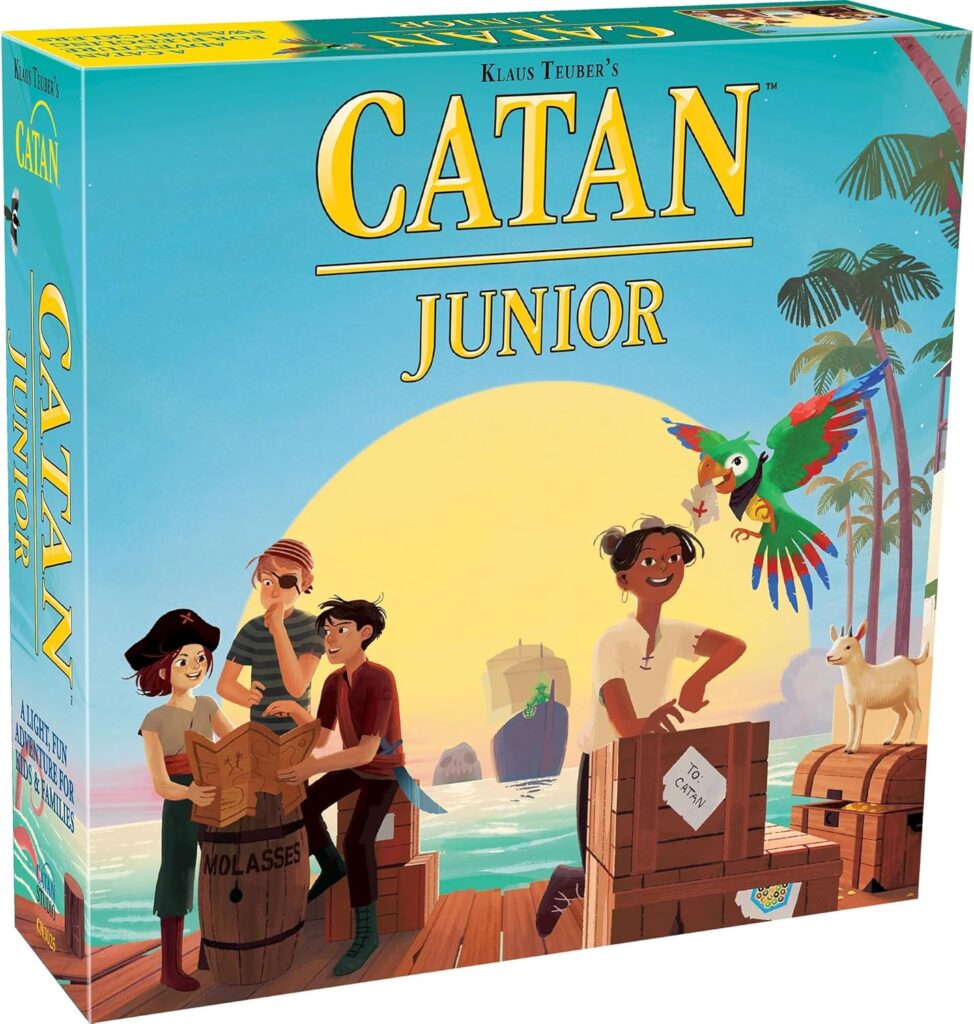
Catan Junior
Catan Junior takes the spirit of Catan, trading, building, a little pirate strategy, and turns it into something entirely its own, not just a watered down version of the original. Kids build pirate hideouts around a ring of islands, trading resources and racing to be the first to control seven of them. No reading required, and the whole thing plays in about 30 minutes.
This one worked great for age 7 in our house. And if you’re a parent who loves Catan, you’ll probably love this too, though we’ll admit we’re not big Catan fans ourselves and still think Catan Junior is genuinely great on its own.
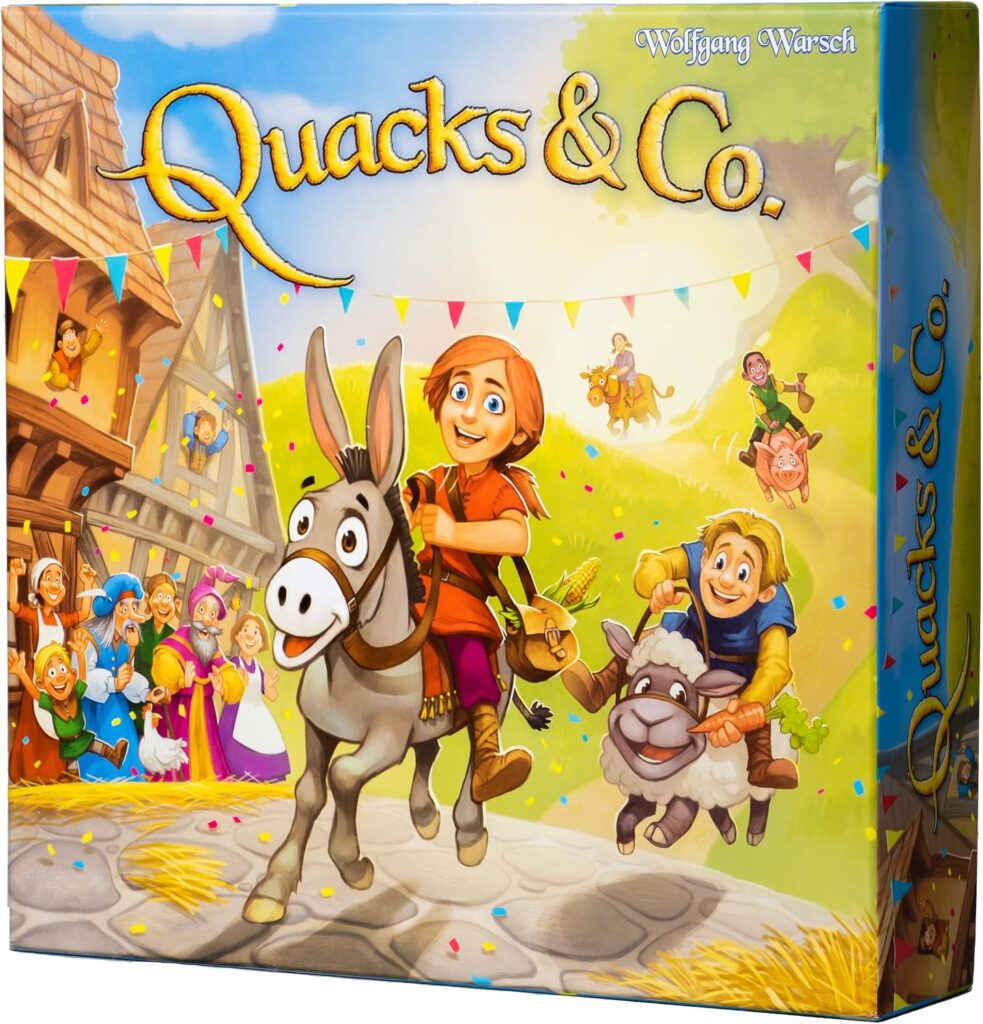
Quacks and Co
Quacks and Co is the kid version of the wildly popular adult game Quacks (Formerly: The Quacks of Quedlinburg), and it’s every bit as fun. Players push their luck pulling ingredient chips out of a bag to build their potion, trying to add as much value as possible without drawing too many cherry bombs and busting.
You can dial the difficulty down for younger players or crank it up to genuinely challenge Age a seven year old, which makes it easy to grow with your kid. Easily one of the best kid games of recent years. If you love this style of game, check out our list of board games like The Quacks of Quedlinburg for more.
board games for 7 year olds. games for seven year olds. 7 year old board games. board games great for 7 year olds
Be sure to check out our other posts in this age series:
Age 2 — Age 3 — Age 4 — Age 5 — Age 6 — Age 7 — Age 8-10 — Teens